How To Save Money From Your Salary
Published: Aug 14, 2024
• Updated: Oct 18, 2024
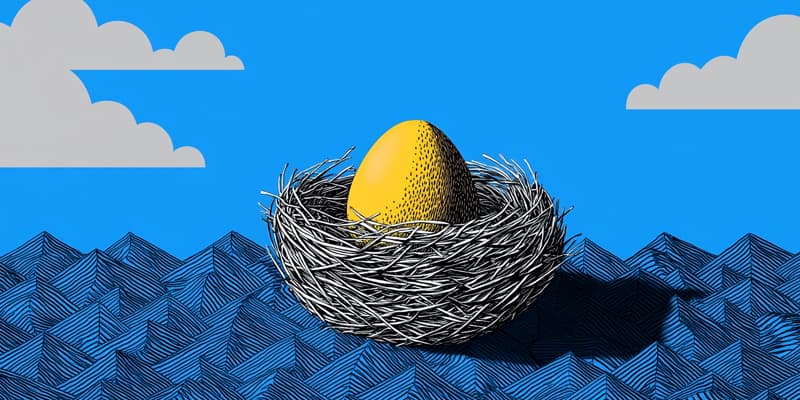
There’s a lot to learn on the road to financial stability. As you’re making strides toward a healthier financial future, it can be helpful to develop consistent money-saving habits. Regularly saving a portion of your take-home pay is one way to ensure you’re putting enough aside to cover emergencies or longer-term financial goals like home ownership or retirement. If you’re wondering how to save money from salary each month and still cover your other expenses, these tips can help.
In this article, we’ll cover:
Understanding your financial situation
Creating and sticking to a budget
Automating your savings
Tracking and managing your spending
Reducing discretionary expenses
Paying off high-interest debt
Maximizing your earnings
Making your savings work for you
Treating yourself (with caution)
Understand your financial situation
Assess your income and expenses
The first step to saving effectively is understanding how much disposable income you have, meaning the amount left after you cover essential expenses. Add up all your monthly income, being sure to include any money you receive beyond your salary, such as income from things like side gigs, government programs, or child support.
Next, make a list of all your monthly expenses and sort them into needs vs. wants. Needs are the truly necessary expenses required for your basic standard of living, such as rent, utilities, and groceries. Calculate how much you need to spend on those needs each month and subtract it from your total income; the amount left over is the disposable income you could choose to spend on things you want or put into savings.
Identify your financial goals
Setting specific financial goals helps you develop a realistic savings strategy. Goals can be short-term, like saving for a vacation; mid-term, like saving for a down payment; or long-term, like preparing for retirement. Identifying these goals will help you determine how much you need to save and the time period in which you’d like to save it.
For example, say you’ve calculated how much to save for a house and want to reach that goal in three years. You can use that information to determine how to save money from your salary every month to hit your savings target in that time frame. This may be especially important for goals far into the future, because they require consistent savings over a long period. For instance, once you determine how much you need to retire, you can develop a plan for how to save money from your salary over decades, such as contributing a certain percentage to a 401(k) or IRA.
Create and stick to a budget
You may be aware that budgeting can help you keep your expenses in check, but did you know that saving can (and should) be built into your budget? A well-planned monthly budget not only helps you allocate funds effectively and avoid overspending, it can also help you adopt consistent savings habits so you can reach your goals more quickly. Use this step-by-step guide to build a budget that works for you.
List all income sources
Begin by calculating your total monthly income. This should include your salary from your primary job, any earnings from side hustles or freelance work, as well as any additional sources of income such as rental income, dividends, or government benefits. Be sure to gather all relevant documents, like pay stubs and receipts, to ensure an accurate total.
Identify fixed and variable expenses
Fixed expenses are regular, recurring costs that remain relatively constant each month, regardless of your level of activity or income. Examples include rent or mortgage payments, insurance premiums, and debt payments. These expenses do not fluctuate significantly, making them predictable components of a budget.
As opposed to fixed expenses, variable expenses refer to costs that can fluctuate from month to month based on individual choices and needs. These expenses include items such as groceries, which can vary depending on dietary preferences and shopping habits, and entertainment costs, which may change based on activities pursued, such as dining out, movies, or events. Unlike fixed expenses, which remain constant, variable expenses require careful monitoring to ensure they fit within your budget. You can estimate how much variable expenses cost each month by looking at your spending over the last several months and calculating the average.
Prioritize savings with the 50/30/20 rule
This is where you can get specific in determining how to save money from salary and other regular income sources. Consider using a strategy that allocates a specific portion of your income to savings before other expenses. Using the 50/30/20 rule can be a good starting point, as it earmarks 50% of your budget for needs, 30% for wants, and 20% for saving and/or investing.
Needs (necessary expenses)
Allocating 50% of your budget for necessities means that half of your total spending should be dedicated to essential expenses. These necessities typically include housing costs, utilities, food, transportation (car payments, fuel, or public transport), healthcare (insurance and medical bills), and any other bills that ensure your basic needs are met. This approach helps prioritize your financial stability by ensuring that you cover the most important aspects of your life before allocating funds to discretionary spending.
Wants (discretionary expenses)
The allocation of 30% for discretionary spending refers to setting aside this portion of your budget for non-essential expenses. Discretionary spending includes things like entertainment, dining out, shopping, vacations, hobbies, and other leisure activities. Unlike essential costs, discretionary spending can be adjusted based on your financial situation and personal priorities. By designating 30% for these expenses, you can enjoy flexibility in your spending and indulge in pleasurable activities without jeopardizing your overall financial health.
Savings and investing
Setting aside 20% of your income for savings helps you build a financial safety net for emergencies, future investments, or major purchases. By consistently saving this portion of money from your salary, you can accumulate wealth over time, achieve greater financial stability, and work toward your long-term financial goals. Whether it's for retirement, a home, or an emergency fund for unexpected expenses, prioritizing savings can help you create a more secure financial future.
Customize your budget
The 50/30/20 rule is a popular budgeting guideline, but it works best when you adapt it to your personal financial situation. Ultimately, the goal is to create a personalized budget that reflects your unique circumstances and helps you achieve your financial objectives while ensuring you can still enjoy life.
Needs: Start by assessing your own needs, keeping in mind that what counts as an essential expense varies from person to person. For example, some people might see house cleaning service as a nice treat, but it may be a need for someone who experiences mobility issues. If the cost of your unique needs exceeds 50% of your income due to high living expenses or personal circumstances, you may need to adjust the percentages accordingly.
Wants: Next, evaluate the non-essential items and experiences that provide convenience or enhance your quality of life, such as dining out, entertainment, and hobbies. If you want to prioritize experiences and activities like these, you might choose to allocate a larger portion of your budget to this category.
Savings: Lastly, consider your savings and debt repayment strategy. The 20% allocation may not be sufficient if you have significant debt or specific savings goals like building an emergency fund or making a major purchase. In that case, you may choose to increase the percentage of money from your salary dedicated to these areas while decreasing the percentage you allocate to your wants or needs.
Automate your savings
Can you learn how to save money from salary without even thinking about it? Yes. Automating your savings helps you prioritize saving because it automatically transfers a set amount of money from your checking account to your savings account at regular intervals, such as each payday. This process minimizes the risk of forgetting to save or being tempted to spend the money instead.
When you make saving a non-negotiable part of your financial routine, you create a consistent habit that builds your wealth over time without requiring conscious effort. Additionally, automation removes the emotional aspect of saving, as you won’t have to decide each month whether to set aside money or spend it. This approach helps you grow your savings, fosters financial discipline and stability, and makes you less likely to dip into your savings for everyday expenses.
How to set up automated savings
Set up recurring transfers
Consider setting up automatic transfers from your checking account to your savings account right after you receive your paycheck. As soon as your salary is deposited, a predetermined amount of money will automatically be moved to your savings without requiring any action on your part. If you get paid via direct deposit, you can also check to see if your employer can deposit a percentage of your paycheck directly into your savings account. By doing this, you ensure that you're consistently saving a portion of your income before you have the chance to spend it.
Automate contributions to retirement and investment accounts
Setting up automatic contributions to your retirement accounts or investment portfolio is a proactive financial strategy that supports consistent savings and can help investment growth over time. By automating your contributions, you designate a specific amount of money to be withdrawn from your checking account and deposited into your retirement or investment accounts on a regular schedule, such as monthly or biweekly. Since contributions occur automatically, you're less likely to spend that money impulsively, allowing your investments to grow without interruption.
Track and manage your spending
Tracking your spending helps you stick to your planned budget and identify areas where you’re wasting money. It also helps create an awareness of your spending habits and allows you to make adjustments to meet savings goals. The following tracking methods may be beneficial, though you might find that a combination of them works best for you.
Recommended tools for tracking spending
Budgeting apps
Budgeting apps help you track your spending, set financial goals, manage your money more effectively, and generally make it easier to stay on top of your finances. YNAB (You Need a Budget), Monarch, and other popular apps can be beneficial because they help you track your income and expenses in real time, providing a clear overview of your financial situation. With features like automatic categorization of spending, you can easily identify where your money is going and make informed decisions. Many apps also offer budgeting goals and alerts to help you stay on track and avoid overspending. Additionally, they often include tools for analyzing spending patterns over time. With the convenience of mobile access, budgeting apps can empower you to manage your finances effectively from anywhere.
Spreadsheets
Record your daily expenses manually or by using pre-made spreadsheet templates. Manually recording expenses involves jotting down purchases or bills in a notebook or digital document, allowing for a personalized approach to categorizing expenses and encouraging mindfulness about spending habits. Online templates can streamline this process and make it easier to track and categorize expenses with pre-made sections for various spending categories. Templates can make it faster for you to set up a spreadsheet for tracking your spending, and you can always customize them to fit your particular needs.
Bank statements
Monitoring monthly expenses through bank statements and credit card summaries involves regularly reviewing your financial documents to understand your spending habits. Bank statements detail all transactions, helping identify spending patterns, while credit card summaries outline purchases and outstanding balances so you’re aware of both your spending and debt. To effectively track expenses, set aside time each month to categorize and review these documents. This practice aids in budgeting, financial planning, and informed decisions about saving and reducing debt, ultimately helping you manage your money better and achieve your financial goals.
Reduce discretionary expenses
If you want to increase how much money you save from your salary, consider cutting down on discretionary spending. Identifying and categorizing non-essential expenses can help you find areas to reduce your spending so you can put that money toward savings instead. Even small discretionary expenses can add up over time, impacting the amount you can save long term.
Practical tips for reducing discretionary spending
Cook at home more often instead of dining out.
Use public transportation or carpool to save on fuel and parking costs.
Shop smarter by making a list before going to the store, comparing prices, using coupons, and avoiding impulse purchases.
Cancel subscriptions that you’re not using often, or consider downgrading to a cheaper plan.
Pay off high-interest debt
High-interest debt, especially credit card debt, can severely limit your capacity to save money from your salary. When you carry a balance on high-interest credit cards, the interest payments can quickly add up and consume a substantial portion of your monthly income. This means that instead of allocating funds toward savings or investments, a significant amount is diverted to cover interest charges. For example, if your credit card has an interest rate of 18% and you owe $1,000, you could be paying around $150 in interest annually, which could have otherwise been saved or used to pay down other debts.
Moreover, the cycle of accumulating interest can lead to a situation where you are only able to make minimum payments, prolonging the debt and making it harder to achieve financial stability. As a result, the burden of high-interest debt can hinder your ability to build an emergency fund, save for retirement, or pursue other financial goals, ultimately affecting your overall financial well-being. As you’re determining how to save money from your salary, making a plan to get out of debt can set you up for success.
Strategies for paying off debt
Debt snowball method: Focus on paying off the smallest debts first to build momentum.
Debt avalanche method: Focus on paying off the debts with the highest interest rates first to save on interest.
Consolidation or negotiation: Consider consolidating debt or negotiating with creditors for lower interest rates or better payment terms.
Maximize your earnings
It may seem obvious, but increasing your income can create extra financial resources that allow you to save more money. When you earn more, you can allocate a portion of those additional earnings toward savings accounts, investments, or an emergency fund. This can help enhance your financial security and enable you to plan for future expenses and long-term stability. You may want to consider the following tips to maximize your earnings.
Increase your income through side hustles
Taking on side jobs or freelance work can be a great way to boost your income. Some popular options for side hustles include freelance writing, where you can write articles, blogs, or even copy for businesses; tutoring, which allows you to share your knowledge in subjects you excel at, whether it's academic topics or specialized skills; and selling handmade goods online, which can involve creating anything from crafts to art and offering them on platforms like Etsy or through social media. These opportunities can help you increase your income and provide a creative outlet or a chance to develop new skills. Plus, they can serve as a safety net in case of unexpected financial needs or job loss.
Use bonuses and windfalls wisely
Consider allocating a significant portion of bonuses, tax refunds, and other unexpected windfalls toward savings or investments. Instead of using these funds on discretionary spending, consider them opportunities to boost your financial security and meet your goals faster. This strategy allows you to build your financial cushion and compound your wealth over time. You can also make substantial progress toward financial milestones, such as buying a home, funding education, or achieving financial independence, all while maintaining your regular monthly budget and expenses. Ultimately, this approach can accelerate your journey to financial security.
Make your savings work for you
When you save money from your salary, you can increase the impact of your efforts by putting your money to work for you. This involves not just setting money aside, but also strategically investing it to generate returns. By placing your savings in high-yield accounts, stocks, bonds, or other investment vehicles, you can take advantage of compound interest and market growth. The longer your money is invested, the more it can potentially grow, allowing you to build a financial cushion, save for future goals, or prepare for retirement. It's important to assess your risk tolerance and financial goals so you can choose the right investment strategy and maximize the potential of your savings.
Consider opening a high-interest savings account
To maximize your earnings, it can be beneficial to keep your savings in a high-interest savings account or a money market account. These types of accounts typically offer better interest rates compared to traditional savings accounts.
When choosing an account, opt for those with more competitive interest rates. The higher the rate, the more interest you'll earn on your balance. Additionally, pay attention to any fees associated with the account. Accounts with low or no fees ensure that more of your money stays invested rather than being eaten away by charges.
Lastly, consider the accessibility of your funds. High-interest accounts should still offer easy access to your money for emergencies or unexpected expenses, so you don't sacrifice liquidity for higher returns. This is especially important if you’re saving for an emergency fund or short-term goal. By carefully selecting the right account, you can enhance your savings strategy and make the most of your hard-earned money.
Consider investing in low-risk options
Fixed deposits, government bonds, index funds, and other low-risk investment options provide a stable way to grow your money over time. Balancing risk and return is essential, particularly for those just starting with investing. While low-risk options provide more security, they typically yield lower returns than higher-risk investments. Low risk doesn’t mean no risk, so understanding your risk tolerance and financial goals can help you create a well-rounded investment strategy that aligns with your needs.
Fixed deposits, such as certificates of deposit (CDs), are savings vehicles that offer a higher interest rate in exchange for locking in your money for a set period. This approach is suited to individuals seeking security, as the principal amount is guaranteed not to lose value.
Government bonds are debt securities issued by a government to support spending. They are considered low-risk because they're backed by the government's credit, offering predictable interest payments and the return of the principal at maturity.
Index funds are investment funds that aim to replicate the performance of a specific index, such as the S&P 500. They offer diversification and lower fees compared to actively managed funds, making them more accessible for new investors.
Limit liquidity for long-term savings
Once you commit to a strategy for saving money from your salary, you don’t want to derail your efforts by spending it frivolously. Locking savings into fixed-term deposits or other less-liquid investments serves as a strategic approach to discourage impulsive spending. When you choose options like a CD, bond, or long-term investment account, you're essentially committing your funds for a specified period. One significant benefit of this approach is that it often comes with penalties for early withdrawals. These penalties create a financial disincentive for taking money out before the term ends, which can help you resist the temptation to dip into your savings for unplanned purchases or immediate gratification.
By tying your savings up in these types of accounts, you're not only protecting your money from impulsive decisions, but you're also allowing it to grow over time, as many fixed-term options offer interest that can enhance your savings. This strategy encourages a disciplined approach to personal finance, fostering habits that prioritize long-term financial health over short-term spending urges. Overall, using fixed-term deposits and similar investments can be an effective way to cultivate financial responsibility and build wealth.
Treat yourself (with caution)
Occasionally treating yourself is important for staying motivated and avoiding feelings of deprivation. Small, planned rewards can prevent bigger, unplanned splurges that could undermine your savings goals. So go ahead and indulge, just do it with your financial goals in mind.
Tips for indulging responsibly
Plan ahead
Recognize that occasional indulgences can be a part of a balanced lifestyle. Planning for these treats means setting aside a specific budget for them to ensure they don't disrupt your overall financial goals. This involves evaluating your income and expenses to determine how much you can afford to spend on non-essential items while still meeting your savings and investment targets. By consciously incorporating these indulgences into your financial plan, you can enjoy them guilt-free, knowing they are accounted for and won’t lead to financial strain.
Set a budget
Start by determining how much money you can allocate for these treats each month without affecting your essential expenses and savings plans. Once you have a clear budget figure, make a commitment to adhere to your spending limit. This means being mindful of your spending and resisting the temptation to overspend. Tracking your expenses can help you stay accountable. By setting a budget, you strike a balance between enjoying life's pleasures and maintaining financial health.
How to save money from salary: make a plan and stick to it
Saving money from your salary can help you achieve financial stability and meet long-term goals. By understanding your financial situation, creating and sticking to a budget, automating savings, tracking spending, reducing discretionary expenses, managing debt, and maximizing income, you can make incremental financial improvements that add up over time.
As you work out how to save money from your salary, keep in mind that it can be a process to learn. Many people aren’t sure how much they should save each month and wonder why it can be so hard to save money, so you’re not alone if the task seems daunting at first. Remember that small, consistent efforts can make a big difference, so don’t get discouraged. Start implementing these strategies today and take control of your financial future.

Written by
Tara Blaine
Tara Blaine draws on over 20 years of experience as a writer to translate seemingly complex financial ideas into insights readers can put to work in their everyday lives. She’s written personal finance education materials for numerous institutions, helping customers learn smart techniques for budgeting, overcoming debt, saving money, and planning for their long-term financial health.
Related articles

saving
Nov 06, 2025
The 6 Main Types Of Car Insurance
saving
Apr 10, 2025
Why Does Higher Credit Utilization Decrease Your Credit Score?

saving
Jan 10, 2025
High-Yield Savings Accounts vs. Regular Savings Accounts

saving
Jan 09, 2025
How to Choose the Best High-Yield Savings Account

saving
Nov 14, 2024
Can You Lose Money with a High-Yield Savings Account?
saving
Nov 07, 2024
Best High-Yield Savings Account for Your Emergency Fund

By using this website you agree to our Terms of Use and Privacy Policy. To begin investing on Stash, you must be approved from an account verification perspective and open a brokerage account.