What To Know Before Taking a Cash Advance
Published: Oct 07, 2024
• Updated: Nov 01, 2024
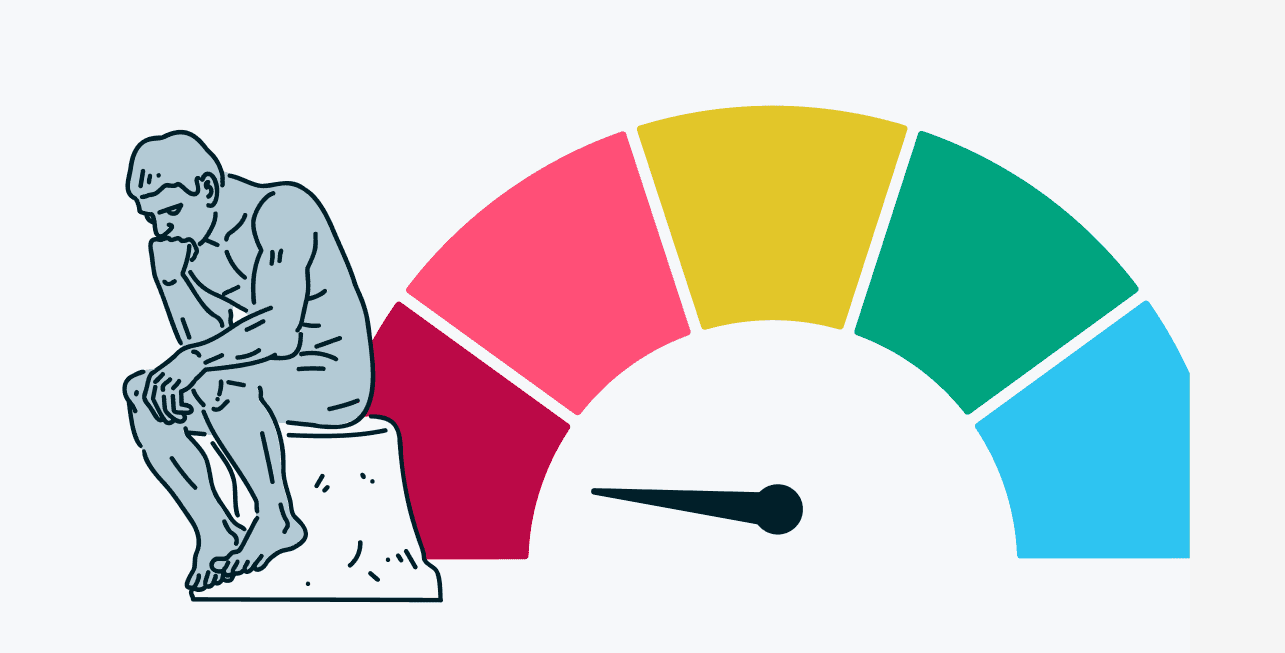
If you’ve ever found yourself in a pressing financial pinch, you know the stress of trying to drum up money in a hurry. When such urgent situations arise, a cash advance may seem like an expedient way to bridge the gap. But before taking the plunge, it's crucial to understand what exactly a cash advance entails and how it fits into your financial landscape. Because there are no foolproof cash advance tricks, you must fully comprehend the implications cash advances can have for your cash flow, credit score, debt load, and overall financial health.
This guide will help you build a solid understanding of cash advances: how they work, eligibility criteria, cash advance pros and cons—as well as alternative options so you’re equipped with the knowledge to make an informed financial decision.
Understanding cash advances
Simply put, a cash advance is a short-term loan that allows individuals or small businesses to borrow money quickly, without using collateral. Unlike traditional loans, which may require a prolonged approval process, cash advances are financial tools designed for quick, convenient access to funds when you need them. Like most other forms of debt, cash advances require you to pay back what you borrow plus interest, and they may come with fees, repayment schedules, and other rules.
Types of cash advances
Cash advances come in various forms, and each serves a unique purpose and caters to different financial needs.
Credit card cash advances: If you have a credit card, you can likely borrow money against your credit line. Credit card cash advances can usually be obtained at an ATM or bank, making them exceptionally quick ways to access money. That said, they usually have a fee, plus higher interest than the rate for credit card purchases.
Payday loans: Payday lenders offer short-term loans (usually under $500) based on the anticipated amount of your next paycheck. You’ll usually have to pay a pretty hefty fee, and might have to give the lender access to withdraw your repayment directly from your bank account on the due date.
Merchant cash advances (MCAs): Small businesses can use an MCA to borrow money for business needs. You generally pay back the loan with a percentage of your future sales. While this is a faster way to access cash compared to business loans, MCAs are usually more expensive forms of debt.
Cash advance pros and cons
Cash advances can be a double-edged sword, as they provide immediate funding when you’re running out of money, but can lead to financial strain if not managed wisely. By carefully weighing cash advance pros against cash advance cons, you’ll be better prepared to make choices that support your financial goals rather than undermine them.
Cash advance pros
Speed and convenience: For individuals experiencing a cash crunch or small business owners facing an unexpected expense, immediacy can be a relief. Cash advances may provide the breathing room needed to handle urgent financial demands.
No collateral required: Other types of loans often require you to put up assets that can be forfeited in the event of non-payment, but cash advances do not. This can be an advantage if you don’t want to risk your personal property or business, or if you don’t have significant assets to pledge.
Flexible repayment: Many cash advances offer the ability to pay in installments, make minimum payments with no set term, or in the case of a merchant cash advance, base repayment off of a percentage of your sales.
Cash advance cons
High fees and interest rates: High fees and interest rates are common cash advance pitfalls, quickly turning a temporary cash flow solution into a long-term financial burden. The cost of borrowing can be much higher than with a traditional loan, and you may end up paying back significantly more than you originally borrowed.
Credit score impact: Repeatedly relying on cash advances can negatively impact your credit score, making it harder to secure more favorable financing options in the future. And if you happen to fall behind on cash advance repayment, those late or missed payments could tarnish your credit score too.
Debt cycle risk: Say you’re unable to repay your cash advance, so you take another cash advance to pay off the previous one. This solution may seem temporarily viable, but it can lead to an ongoing debt cycle, mounting financial stress, and more difficulty getting out of debt.
Eligibility and application process
If you’ve assessed your situation and determined that a cash advance is necessary, understanding the eligibility requirements and application process is the next step. Generally, anyone with a steady income who needs quick funds can apply for a cash advance. But, specific criteria may vary depending on the provider and type of advance.
Eligibility
For credit card cash advances, eligibility is usually contingent on your credit card issuer’s policies and your current credit limit—though the limit for cash advances is usually lower than your purchase limit.
Payday loans generally require an individual to provide proof of income, have an active bank account, and be at least 18 years old.
Merchant cash advances typically require business owners to have a history of consistent sales, as repayment is tied directly to future sales revenue. You’ll generally need to provide proof of sales or revenue.
Application process
No matter which type of cash advance you’re applying for, the application process is designed to be streamlined.
For credit card advances, you can usually access funds through an ATM, online banking, or by visiting your bank’s branch location.
Payday loans can be obtained by visiting a payday lender, either at a brick-and-mortar location or through an online lender’s website.
Merchant cash advances, like payday loans, are offered by specific types of lenders. You can apply in-person at a lender’s office or find an online provider.
Responsible borrowing practices
One of the most important things to know before taking a cash advance is that responsible management is critical to avoid falling into a cycle of mounting debt. Because of the high costs, it's especially important to approach cash advances with a strategy that minimizes risk and maximizes benefit.
Responsible borrowing starts with a thorough evaluation of why and how much you need to borrow. Is the advance meant to cover a truly necessary and urgent expense? Can you afford to pay it back (including fees and interest) in a short timeframe to minimize interest costs? If the answer to both of those questions is “yes,” a cash advance may be the appropriate option for you.
Once you’ve determined your need, managing the borrowed funds effectively is key. Prioritize using the funds for essential expenses that will directly impact your personal or business financial health. Avoid using cash advances for discretionary spending, as this can lead to a cycle of debt that’s difficult to escape.
Consider setting up a repayment plan to ensure the advance is paid off as quickly as possible, thereby minimizing interest accrual. By taking these steps, you ensure that the cash advance serves your financial goals without becoming a hindrance.
Legal and ethical considerations
Both providers and borrowers have legal and ethical responsibilities when it comes to cash advances. Understanding the regulations that govern these financial products can protect you from predatory practices and ensure you’re engaging with reputable providers.
Laws regulating cash advances can vary significantly by region, but they generally aim to protect consumers from exorbitant costs and predatory practices. Familiarize yourself with the regulations in your area and verify that your lender complies with them before committing to an advance. If you’re looking at payday loans or merchant cash advances, you may want to read online reviews to see what others have to say about a lender’s practices and trustworthiness.
Ethically, both parties have responsibilities. Providers should offer transparent terms and conditions, while borrowers must commit to responsible borrowing practices and on-time repayment. This mutual respect ensures a positive relationship and reduces the risk of financial distress.
Alternatives to cash advances
Before committing to a cash advance—and all the risk and costs that come with it—you may wish to explore alternative funding options that could offer more favorable terms. While some alternatives may take more time than a cash advance, they could prove more advantageous if you can manage to wait for a bit.
For small business owners, lines of credit, business loans, or peer-to-peer lending might provide the necessary funds with lower interest rates and more manageable repayment terms.
Individuals facing a financial shortfall can consider personal loans, which often offer more competitive rates than cash advances. Borrowing from friends and family may also be an option. Additionally, budgeting and financial planning can uncover ways to free up cash, reducing the need for additional debt altogether.
By exploring these alternatives, you may find a solution that better aligns with your financial goals and offers a more sustainable path forward.
Sustainable financial health
The flexibility and immediacy of cash advances distinguish them from traditional loans. With fewer restrictions and quicker access to funds, they might offer a solution when time is of the essence. However, this convenience often comes at a steep price, so you must weigh your options carefully before proceeding.
Responsible borrowing is the cornerstone of managing debt. Navigating the complexities of cash advances requires careful consideration and informed decision-making. By understanding the intricacies, you can leverage their benefits while mitigating potential risks. Whether you opt for a cash advance or explore alternative options, prioritize making choices that support your long-term financial health. Learning to use the right financial tools at the right time can help you build good money habits and keep you on a path to sustainable prosperity.

Written by
Team Stash
We want to turn money into a source of hope and opportunity. We teach people how to build good habits, save more and make it easy and affordable to get started investing. So far, we’ve helped over 6 million people create a more secure financial future with our expert advice and award winning investing app.
Related articles

borrowing
Oct 14, 2024
How To Use Personal Loans

borrowing
Oct 07, 2024
How To Use Cash Advances
borrowing
Oct 07, 2024
What To Know Before Taking a Cash Advance

borrowing
Oct 07, 2024
How To Pay Off a Cash Advance Quickly

borrowing
Oct 07, 2024
Cash Advances vs. Personal Loans: Which is Better?
borrowing
Oct 07, 2024
How to Avoid Cash Advance Fees

By using this website you agree to our Terms of Use and Privacy Policy. To begin investing on Stash, you must be approved from an account verification perspective and open a brokerage account.