Top 10 Tips for First-Time Investors
Published: Mar 19, 2025
• Updated: Mar 22, 2025

In this article:
- 1. Set Clear Financial Goals
- 2. Understand Your Risk Tolerance
- 3. Start Small and Diversify
- 4. Do Your Research
- 5. Take Advantage of Retirement Accounts
- 6. Consider Robo-Advisors
- 7. Avoid Common Mistakes
- 8. Stay Informed
- 9. Be Patient and Consistent
- 10. Seek Professional Advice
- Take Control of Your Financial Future
Investing can feel like stepping into a foreign world of financial charts, portfolios, and market trends. For first-time investors, taking the plunge may seem overwhelming, but investing is one of the most effective ways to secure your financial future and grow your wealth over time. The good news? You don’t have to be an expert to start investing. You just need the right approach and tools to make informed decisions.
This guide will walk you through the top 10 investing tips tailored for first-time investors. Whether you're a young professional looking to take control of your finances or someone curious about getting started with investing, these tips will help you begin your financial growth confidently.
1. Set Clear Financial Goals
Before you start investing, take a step back and identify why you’re investing. Are you saving for a down payment on a house, planning for retirement, or simply trying to build an emergency fund? Setting clear goals will shape your investment strategy.
How to Set Goals:
Define your timeline (short-term, medium-term, or long-term).
Specify the amount you want to save or grow.
Keep your goals realistic and measurable.
For example, a short-term goal may include saving for a vacation within two years, while a long-term goal might involve building a retirement fund over 20 years.
2. Understand Your Risk Tolerance
Every investment carries some level of risk. The key is knowing how much risk you're comfortable taking. Risk tolerance depends on factors like your age, financial situation, and overall goals.
Tips to Evaluate Risk Tolerance:
High Risk: Younger investors often have time to recover from market downturns, so they may feel comfortable with higher-risk stocks or funds.
Low Risk: If you need access to your funds sooner or prefer more stability, consider safer options like bonds or savings accounts.
Remember, there’s no one-size-fits-all approach. Understanding your comfort level will help you choose investments aligned with your goals and preferences.
3. Start Small and Diversify
If investing feels intimidating, start with small amounts. Many platforms allow you to invest with as little as $10. The key is to get started, even with modest contributions.
Why Diversify?
"Diversification" is essentially spreading your investments across different assets (stocks, bonds, real estate, etc.) to reduce risk. A diversified portfolio ensures that if one investment underperforms, others can offset the loss.
For example, instead of investing all your money in one tech company, invest in a mix of industries like healthcare, utilities, and energy.
4. Do Your Research
Investing is not a game of chance; it requires informed decisions. Research companies, industries, and market trends before investing your money.
Tools to Help:
Financial news websites like Bloomberg or CNBC.
Investment forums (just cross-check the advice you see!).
Company performance reports and annual evaluations.
Take time to understand concepts like price-to-earnings (P/E) ratios, dividends, or stock performance history. This knowledge will give you confidence in your decisions.
5. Take Advantage of Retirement Accounts
If your employer offers a workplace retirement plan like a 401(k), start contributing today. These accounts often come with tax benefits and employer match programs, which is essentially free money.
Popular Retirement Accounts:
401(k): Offered by employers with the potential for matching contributions.
IRA (Individual Retirement Account): Available for self-employed individuals or those without employer-sponsored plans. Roth IRA is a great choice for tax-free withdrawals in retirement.
Maximizing these accounts early can significantly grow your wealth over the long-term.
6. Consider Robo-Advisors
For beginners, figuring out where and how to invest can be overwhelming. Robo-advisors are automated platforms that manage your investments for you, using algorithms to create a diversified portfolio based on your goals and risk tolerance.
Recommended Robo-Advisors:
Betterment
Wealthfront
Vanguard Digital Advisor
They’re affordable, user-friendly, and great for first-time investors looking for hands-off management.
7. Avoid Common Mistakes
Even experienced investors make mistakes. Being aware of potential pitfalls can save you time, money, and stress.
Common Mistakes to Avoid:
Timing the Market: Nobody can accurately predict market highs and lows. Instead, focus on consistent contributions.
Putting All Eggs in One Basket: Diversify your portfolio to minimize risk.
Acting on Emotions: Avoid knee-jerk decisions based on market fluctuations. Stick to your strategy.
8. Stay Informed
The investment landscape is always evolving. Policies, economic conditions, and market trends can all impact your portfolio. Staying informed helps you make better investment decisions and adjust your strategy when needed.
How to Stay Updated:
Follow credible news sources like The Wall Street Journal.
Listen to podcasts like The Investors Podcast Network or MarketFoolery.
Read books like The Intelligent Investor by Benjamin Graham.
Even a small amount of consistent learning can go a long way toward becoming a savvy investor.
9. Be Patient and Consistent
Investing isn’t a "get rich quick" scheme. Wealth is built over time by being patient and staying consistent with your contributions—even when markets are volatile.
The Power of Compound Interest:
Consistently contributing your funds allows interest to compound, growing your wealth exponentially over time. For example, investing $100 monthly in a fund earning 7% annually could grow to over $12,000 in 10 years and nearly $82,000 in 30 years.
Remember, patience is key.
10. Seek Professional Advice
Sometimes, navigating the world of investing requires expert guidance. Financial advisors can help you understand complex strategies and build a tailored investment plan.
When to Consult an Advisor:
You have a high income and want tax-efficient investment options.
You’re nearing big milestones like buying a home or retiring.
You feel overwhelmed and don’t know where to start.
A professional advisor can help ease your stress while ensuring your money works harder for you.
Take Control of Your Financial Future
Starting your investment journey may seem daunting, but by following these tips, you’ll gain the confidence to make smart financial decisions. From defining your goals to staying patient and consistent, each small step you take brings you closer to financial security and wealth building.
Now that you’re equipped with these essential investing tips, it’s time to take action. Start small, stay educated, and watch your investments help you achieve your goals. The sooner you start investing, the more time your money will have to grow.

Written by
Team Stash
We want to turn money into a source of hope and opportunity. We teach people how to build good habits, save more and make it easy and affordable to get started investing. So far, we’ve helped over 6 million people create a more secure financial future with our expert advice and award winning investing app.
Related articles
investing
Oct 02, 2026
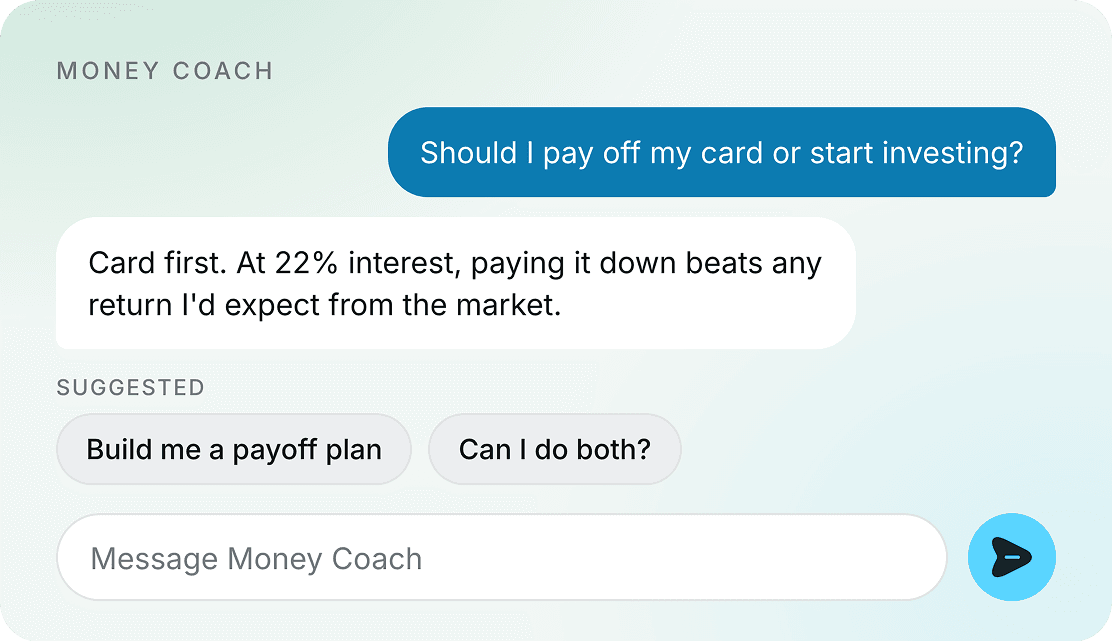
Trust your money to experts, not chatbots

investing
Jun 25, 2026
Should You Buy IPOs? 4 Myths About Hot New Listings
investing
Jun 18, 2026
Best Index Funds for Beginners and How to Pick One
investing
Jun 10, 2026
What Is an Index Fund? A Complete Beginner's Guide
investing
Jun 09, 2026
How to Start Investing: A Beginner’s Guide for 2026

investing
Jun 04, 2026
What Is Quantum Computing? An Investor’s 2026 Guide

By using this website you agree to our Terms of Use and Privacy Policy. To begin investing on Stash, you must be approved from an account verification perspective and open a brokerage account.