Elon Musk May Take Tesla Private: What Does That Mean?
Published: Aug 07, 2018
• Updated: Aug 22, 2024
It’s the opposite of when a company goes public or has an initial public offering (IPO).
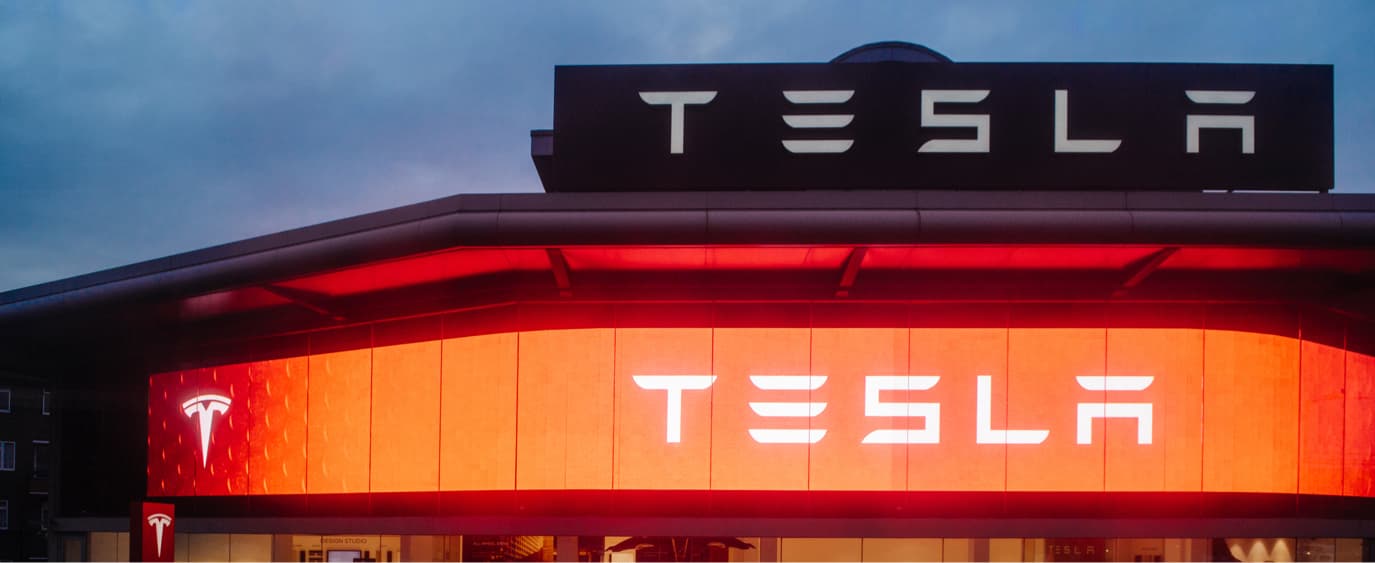
On Tuesday, Tesla founder and chief executive officer Elon Musk announced that he may take the electric car manufacturer private.
The company, based in Palo Alto, California, has been publicly traded on an exchange called the Nasdaq since 2010.
Following the announcement, the Nasdaq halted trading of the company’s shares. (It then resumed trading less than two hours later.)
Musk has proposed making existing shareholders partial owners in the newly-private company by setting up a fund that would hold their shares. He has also floated the idea of buying shares at $420—about 20% higher than its current share price—which would value Tesla at $72 billion, according to the Wall Street Journal.
So what does all this mean?
What happens when a company goes private?
It’s the opposite of when a company goes public, or has an initial public offering. (That’s when a private company lists on a public exchange, such as the New York Stock Exchange or Nasdaq.)
Companies generally go private when another company makes a bid for the company’s shares. Executives of the company might also make a decision to take the company private, and buy the outstanding stock from shareholders.
When a company goes private, its shares are delisted from an exchange, which means the public can no longer buy and sell the stock. The company may offer existing investors a price for their shares that may be above the current level.
Why would Tesla go private?
Private companies don’t have the same level of scrutiny that public companies do.
When companies are public, they must file quarterly earnings reports with the Securities and Exchange Commission (SEC). These reports are filled with details about the company’s profit (or lack of it), revenue, debts, and changes to management, among many other details.
Private companies are not required to file these reports.
In recent years, for example, Tesla has been widely criticized for burning through hundreds of millions of dollars in cash and missing production deadlines, which has been widely broadcast following its earnings reports.
By going private, a company can often avoid regulatory scrutiny and the need to make public filings about its hits and misses. And that appears to be at least one motivation for Musk’s hope to go private. In a letter to shareholders Tuesday, Musk wrote:
“Being public also subjects us to the quarterly earnings cycle that puts enormous pressure on Tesla to make decisions that may be right for a given quarter, but not necessarily right for the long-term.”
Good to know
It’s important to realize that many executives who intend to take their companies private often don’t, according to Financial Industry Regulatory Authority (FINRA). Announcements about going private can often boost a company’s share price temporarily, according to FINRA.
Tesla’s stock increased about 10% following Musk’s announcement, when the stock resumed trading, according to reports.
Have other companies gone private?
Yes, recent examples include computer maker Dell, ketchup manufacturer H.J. Heinz, and the supermarket chain Safeway.

Investing made easy.
Start today with any dollar amount.


Written by
Team Stash
We want to turn money into a source of hope and opportunity. We teach people how to build good habits, save more and make it easy and affordable to get started investing. So far, we’ve helped over 6 million people create a more secure financial future with our expert advice and award winning investing app.
Related articles
financial-news
Jul 27, 2026
LeBron's NBA salary just went from ~$52.8M to ~$3.9M. His wealth didn't. Here's the money lesson.

financial-news
Jul 27, 2026
Your Money Headlines this Week

financial-news
Jul 21, 2026
AMC had its biggest quarter in 106 years. The stock is still down 99%. Both are true.
financial-news
Jul 21, 2026
Who Makes Money From the World Cup? Follow the Cash
financial-news
Jul 09, 2026
You already own NVIDIA (yes, you). Here's how much.
financial-news
Jul 01, 2026
Bitcoin's Worst Month in Years: What It Means for You

By using this website you agree to our Terms of Use and Privacy Policy. To begin investing on Stash, you must be approved from an account verification perspective and open a brokerage account.