Smart Ways to Invest Your Tax Refund
Published: Nov 12, 2024
• Updated: Dec 07, 2024
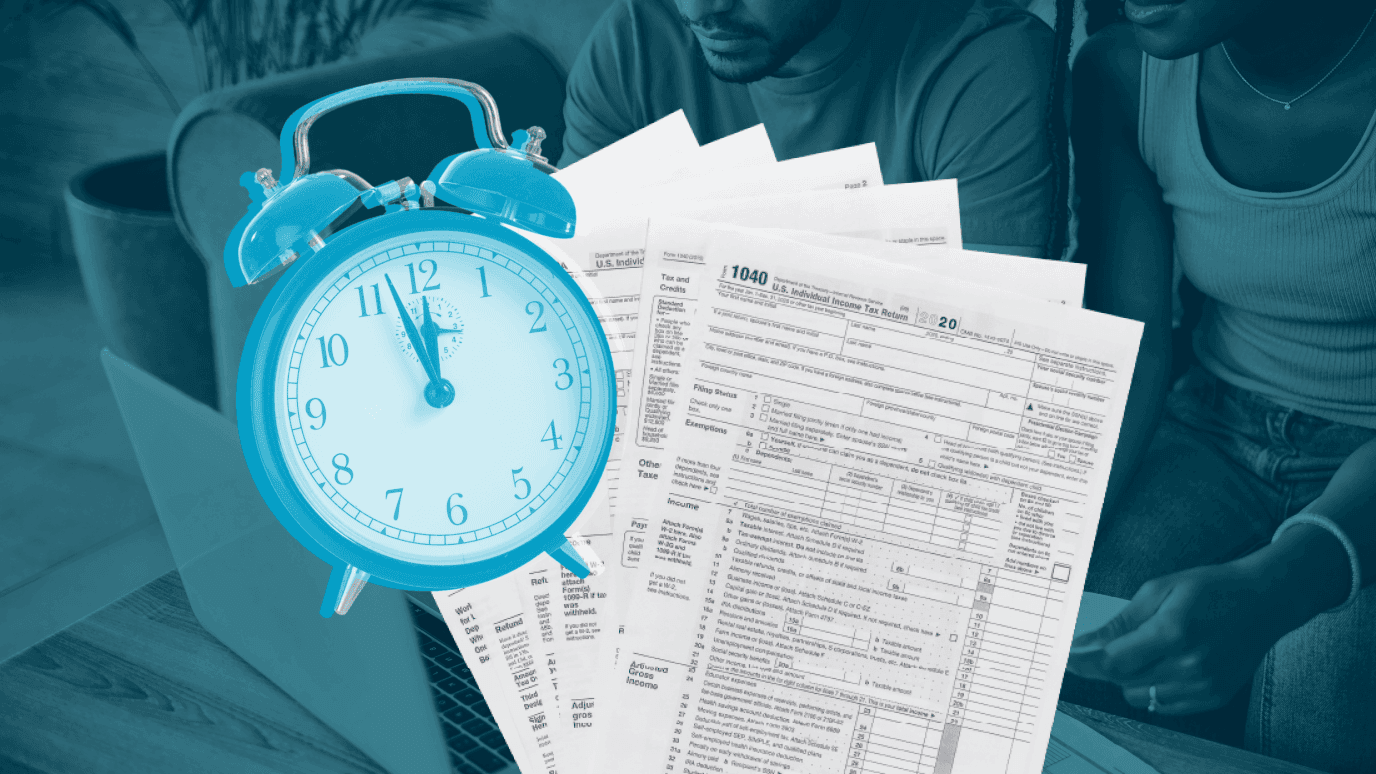
It’s hard not to get excited by your tax refund. It can feel like free money with which you might do some indulging. While it can be tempting to spend your refund all at once, being intentional with this once-a-year money can help you sort out your debts and set you up for long-term financial success.
There are plenty of smart ways to invest your tax refund to make meaningful steps toward achieving your financial goals. Whether you’re new to investing or looking to diversify your portfolio, we’ll break down useful tips and strategies to make your tax refund work harder for you.
Understanding Your Tax Refund
How Tax Refunds Are Calculated
Your tax refund represents the amount the government owes you after subtracting your tax liability from what you’ve already paid throughout the year. A refund often results from over-withholding income taxes, refundable credits like the Earned Income Tax Credit, or deductions from your taxable income.
While receiving a refund feels like a win, it’s worth noting that overpaying taxes means you’re essentially giving the government an interest-free loan. Adjusting your withholdings can help you keep more money in your paycheck throughout the year.
Tips for Boosting Your Refund
If you want to maximize your tax refund in the future, consider the following tips:
Contribute to Retirement Accounts: Contributions to accounts like a 401(k) or traditional IRA often qualify for tax deductions.
Take Advantage of Credits: Look into child tax credits, education credits, or energy-efficient home improvement credits.
Keep Detailed Records: Track your deductible expenses, such as charitable donations and medical costs, to claim them accurately on your return.
Smart Investment Strategies for Tax Refunds
If you want to be better with money, your tax refund is a great place to start. When you receive your refund, investing it wisely can make a long-lasting impact on your financial future. Here are some practical options to consider:
High-Yield Savings Accounts (HYSAs)
A high-yield savings account is a low-risk option to grow your tax refund. Unlike standard savings accounts, HYSAs offer significantly higher interest rates, helping your money grow faster while remaining easily accessible.
Benefits: Safe, insured, and liquid.
Considerations: Ideal for short-term goals, such as an emergency fund or a future vacation.
Investing in Stocks or Bonds
For those with a medium- to long-term outlook, investing part of your refund in stocks or bonds may be a smart move.
Stocks: Provide the potential for high returns but come with greater risks. Start with ETFs or index funds for diversification.
Bonds: Offer lower returns but are a safer option for risk-averse investors. Consider municipal or treasury bonds for added security.
If you’re unsure where to start, platforms like Stash provide user-friendly tools to begin investing without feeling overwhelmed.
Real Estate Investment
Your tax refund can also serve as seed money for real estate investments.
Options include REITs (real estate investment trusts), crowdfunding platforms, or even saving for a down payment on a rental property.
Considerations: Real estate can yield passive income, but make sure you research thoroughly to understand market trends and risks.
Retirement Savings
Using your refund to boost your retirement savings is an excellent way to secure your financial future.
Maximize Your Contributions: If eligible, consider contributing to an IRA or increasing your 401(k) contributions.
Tax Advantages: Contributions to traditional retirement accounts are often tax-deductible, while Roth IRAs allow for tax-free growth and withdrawals in retirement.
The Importance of Diversification
Spread Your Investments
Diversification is a critical element of any successful investment strategy. Rather than putting your entire tax refund into a single option, consider spreading it across multiple asset types to better manage risks. For example, you might consider splitting your refund into thirds and investing in three opportunities:
High-yield savings accounts can provide short-term liquidity.
Stocks and bonds balance the potential for growth and income.
Real estate and retirement accounts offer long-term security.
Balance Risk and Reward
Combining high-risk, high-reward assets like stocks with stable, low-risk options like bonds or savings accounts ensures you’re protected against market fluctuations while still capturing growth opportunities.
Considering Future Tax Implications
How Investments Affect Future Taxes
It’s essential to understand the tax implications of your investments to avoid unwelcome surprises later.
Capital Gains Tax: Profits from stocks, bonds, or real estate may be subject to taxes when assets are sold.
Dividend Taxes: Earnings from stocks may be classified as qualified or non-qualified dividends, affecting tax rates.
Retirement Accounts: While Roth IRA contributions grow tax-free, traditional IRAs and 401(k)s will be taxed when you withdraw in retirement.
Strategies to Minimize Taxes on Investments
Hold onto your investments for over a year to qualify for lower long-term capital gains tax rates.
Consider tax-advantaged accounts like Roth IRAs for tax-free growth.
Use tax-loss harvesting to offset gains and reduce taxable income.
Use Your Tax Refund to Benefit Your Finances
Your tax refund represents more than just a short-term gain — it’s an opportunity to move closer to your financial goals. Whether you choose to save, invest, or pay down debt, the key is to make a plan that aligns with your needs and aspirations.
If you’re ready to start investing without the confusion, platforms like Stash can help you take your first steps. Sign up today and explore tools that make investing approachable, guided, and rewarding.
Remember, every dollar invested today builds a stronger financial future.

Written by
Team Stash
We want to turn money into a source of hope and opportunity. We teach people how to build good habits, save more and make it easy and affordable to get started investing. So far, we’ve helped over 6 million people create a more secure financial future with our expert advice and award winning investing app.
Related articles
taxes-and-retirement
Jun 10, 2026
What Is a Backdoor Roth IRA and How It Works in 2026
taxes-and-retirement
Jun 10, 2026
Roth Conversion Explained: Taxes, Rules, and Timing
taxes-and-retirement
Jun 06, 2026
Roth IRA vs Traditional IRA: Which Fits Your Taxes
taxes-and-retirement
Jun 06, 2026
Roth IRA Contribution Limits 2026: Key Rules to Know
taxes-and-retirement
Jun 06, 2026
What Is a Roth IRA? Rules, Taxes, and Who Qualifies

taxes-and-retirement
Dec 15, 2025
FAQ: Retirement Portfolio

By using this website you agree to our Terms of Use and Privacy Policy. To begin investing on Stash, you must be approved from an account verification perspective and open a brokerage account.