No One Talks About Money, Everyone Stresses About It
Published: May 08, 2019
• Updated: Jun 09, 2026
Stash’s latest consumer survey shows that money stress is real.

Whether it’s paying off credit card bills, the mounting costs of medical care, or keeping up with mortgage payments and rent, people get stressed out over money.
But just how stressed—and why—may surprise you.
It turns out that 62% of U.S. consumers say that money is a major source of stress, with 31% saying they lose sleep and feel stress over finances all the time, according to a new survey by Stash. The poll of 1,411 people, age 18 and older, in April 2019 also found that people are embarrassed to talk about money, and that silence could prevent them from understanding their financial situations, according to other reports.
Here’s what we found.
Don’t want to talk about it
People say that just talking about money is a big stressor, and it’s not because people think money talk is taboo, as older generations might think:
More than a third of survey respondents say they don’t want to talk about money because they’re embarrassed, and think they are worse off than their peers.
Another 33% say it’s because it upsets them too much.
Nearly a quarter of those surveyed say they’re ashamed of their financial habits.
Only 13% say it’s because they find the topic taboo or impolite.
Money stress is real, the survey found. Nearly a third of people say they’ve missed a monthly payment in the last year, such as rent or a cable bill. And for people who have missed a payment, more than half say they missed not just one payment, but two to three payments in the last 12 months.
What’s more, stress about money holds back nearly two thirds of U.S. consumers from doing basic things, like going out with friends and family, going on vacation, and dining out, the survey found.
Women and financial stress
Women are more likely to talk about money stresses than men, by a margin of 10 percentage points. Similarly, they are also more likely to say they have forgone a home repair, wedding, birthday or vacation because of money stress, by a margin between 5 and 12 percentage points.
Money stress by age group
Generation Z (between 18 and 24 years old) and Millennials (between 25 and 38 years old) are nearly 15 percentage points more likely to say money holds them back from doing things with family and friends.
Generation X, (between 39 and 53 years old), are 10 percentage points more likely to say they are in debt than other age groups.
If they were free of debt, 20% of Gen Zers and 23% of Gen Xers would increase contributions to their emergency funds, more than a quarter of Millennials would go on a vacation, and 25% of Baby Boomers (between 55 and 75 years old) would increase their retirement savings contributions.
Talking about money is important
Remember, having an open discussion about money and money stress can help you not just to alleviate money anxiety, it can also potentially help you get a well-deserved raise, or prevent you from spending money you don’t have.
Being honest about money can also help you come up with a financial plan that could include saving more money, investing, and building wealth.

Investing made easy.
Start today with any dollar amount.


Written by
Team Stash
We want to turn money into a source of hope and opportunity. We teach people how to build good habits, save more and make it easy and affordable to get started investing. So far, we’ve helped over 6 million people create a more secure financial future with our expert advice and award winning investing app.
This survey was conducted online within the United States by Stash using SurveyMonkey technology in April 2019. The survey was completed by 1,411 people. Of the 1,411 individuals: 45.85% (647) identified themselves as males, 53.58% (756) identified themselves as females, and .57%( 8) identified themselves as “other.” “Gen Z” is defined by birth year of respondents between the ages of 18-24, “Millennials” is defined by birth year of respondents between the ages of 25-38 and “Gen X” is defined by birth year of respondents between the ages of 39-53 as of May 2019. This material has been distributed for informational purposes only, and is not intended as investment, legal, or tax advice.
Related articles
investing
Oct 02, 2026
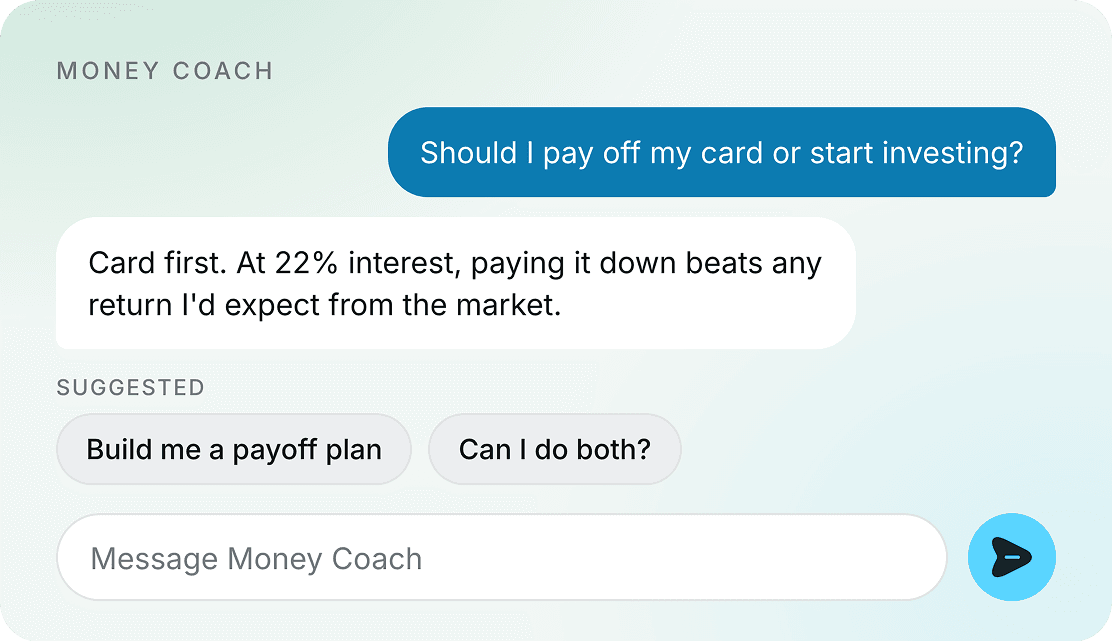
Trust your money to experts, not chatbots

investing
Jun 25, 2026
Should You Buy IPOs? 4 Myths About Hot New Listings
investing
Jun 18, 2026
Best Index Funds for Beginners and How to Pick One
investing
Jun 10, 2026
What Is an Index Fund? A Complete Beginner's Guide
investing
Jun 09, 2026
How to Start Investing: A Beginner’s Guide for 2026

investing
Jun 04, 2026
What Is Quantum Computing? An Investor’s 2026 Guide

By using this website you agree to our Terms of Use and Privacy Policy. To begin investing on Stash, you must be approved from an account verification perspective and open a brokerage account.