How to Use Your Tax Refund to Pay Off Debt
Published: Nov 13, 2024
• Updated: Dec 07, 2024
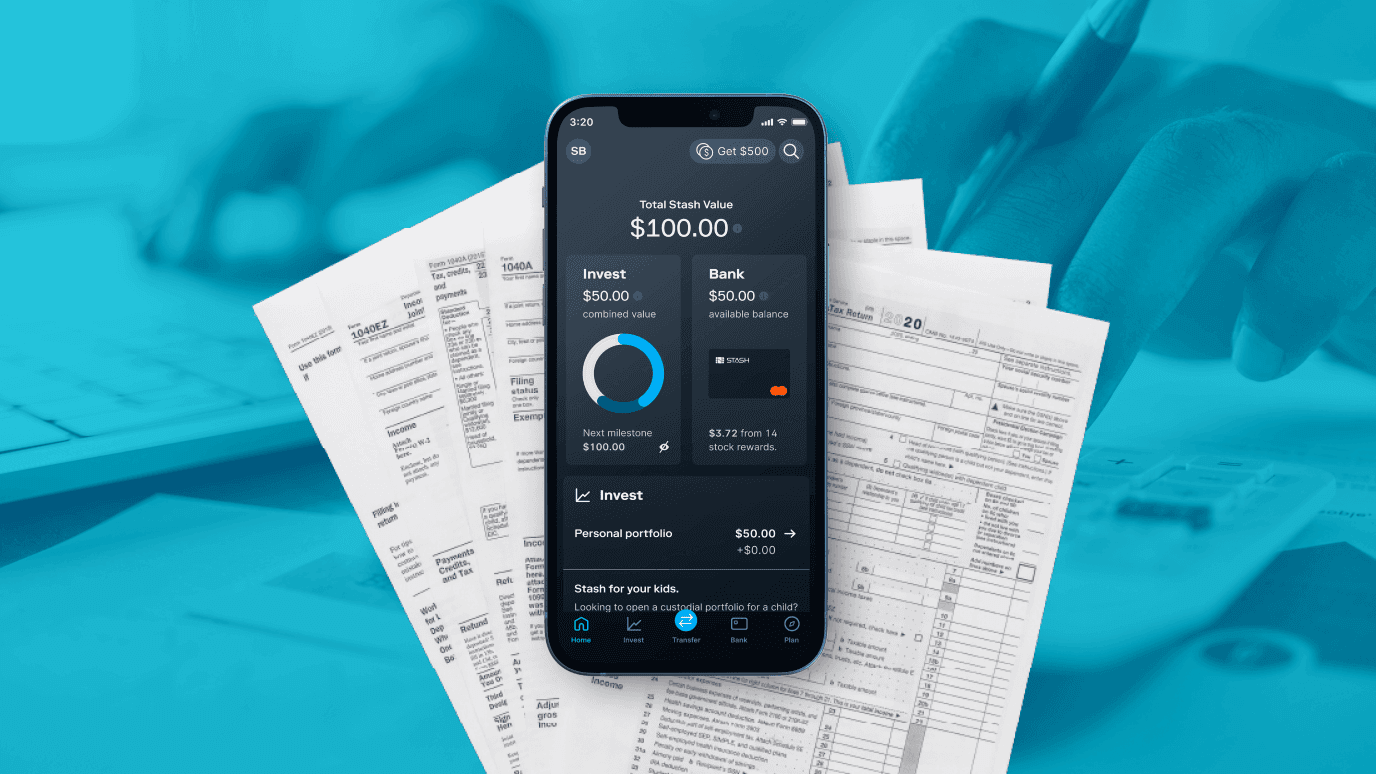
Every year, millions of Americans look forward to their tax refunds. It’s understandable — this extra cash can feel like a well-deserved reward after a year of hard work. While it can be tempting to splurge on something fun (tropical vacation, anyone?), using your tax refund wisely — like to pay off debt — can lead to significant long-term benefits for your financial health (and hopefully more fun down the road).
This guide will show you step-by-step how you can use your tax refund to reduce your debt, sharing practical insights along the way. By the end, you’ll hopefully feel motivated and empowered to take meaningful steps toward financial freedom.
Understanding Your Tax Refund
Before you decide how to use your tax refund, it’s helpful to understand where this money is coming from in the first place, and how it’s calculated.
How Are Tax Refunds Calculated?
Essentially, your tax refund is the result of overpaying your taxes throughout the year. The IRS calculates the difference between your total tax liability and the amount you paid through withholdings, deductions, or tax credits. If you’ve paid more than you owe, the surplus is refunded to you.
Why Is My Refund Bigger or Smaller This Year?
Your tax refund can vary depending on a number of factors:
Changes in income: A promotion or job change may adjust your withholdings or taxable income.
Tax deductions and credits: These can significantly impact your refund. For example, student loan interest, childcare credits, or energy-efficient home improvements might reduce what you owe.
Filing status changes: Got married or had a baby? Your refund amount may reflect these life changes.
Tips to Maximize Your Tax Refund
While it’s important not to rely on a big refund each year, here are a few ways to ensure you maximize returns:
Update your W-4 form to reflect significant life changes.
Take Advantage of Deductions such as home office expenses, educator expenses (if applicable), or retirement contributions.
Don’t Miss Out on Credits like the Earned Income Tax Credit (EITC) or Advanced Premium Tax Credit (for health insurance).
Assessing Your Debt
Once your refund hits your bank account, you’ll need a clear picture of your current debt before putting it to work.
Why Understanding Your Debt Is Crucial
Debt can take many forms — credit cards, student loans, medical bills, and car loans — and each comes with its own challenges. Start by gathering the key information:
Total balances owed
Interest rates
Minimum monthly payments
Types of Debt and Their Impact
Not all debt is created equal. High-interest debts like credit cards are typically more financially draining than lower-interest loans such as mortgages. Unmanaged debt can harm your credit score, reduce your financial flexibility, and cause emotional stress (it’s not just you; nobody likes being in debt).
How to Prioritize Your Various Debts
To make the biggest impact on your financial health, you’ll want to pay off the most financially taxing debts first — this doesn’t necessarily mean the debts with the highest number, but the ones that charge you the most interest for being in debt in the first place. That said, there are multiple strategies for prioritizing. These include:
High-interest debt first (e.g., credit cards or payday loans).
Small balances that can be cleared quickly, if you’re following the debt snowball method (we’ll explain this later).
Debts nearing default to avoid fees, penalties, or damage to your credit.
Strategies for Using Your Tax Refund to Pay Off Debt
Congratulations! You’re ready to assign your tax refund to your debt repayment plan. Here are some proven strategies.
Make a Lump-Sum Payment on High-Interest Debt
Using your refund to pay off a chunk of your high-interest debt can save you hundreds (or even thousands) in interest over time. For example, knocking $1,500 off a credit card with a 20% APR can significantly reduce the cost of borrowing.
Create a Debt Snowball or Avalanche Plan
Focus on paying off your smallest debt first, while making minimum payments on others. Once the smallest debt is cleared, funnel those payments into the next smallest debt. This method works because the small wins keep you motivated.
Start with the debt carrying the highest interest rate. While this method may not feel as instantly rewarding as the snowball method, it minimizes interest payments and saves more money over time.
Consider Debt Consolidation
If your refund is large enough, use it as a down payment for consolidating your debts into a single, lower-interest loan. This approach simplifies repayment and may reduce your monthly financial obligations.
Why Use Your Tax Refund to Pay Off Debt
Whether your refund feels significant in dollar amount or not, using the money to tackle your debt is a smart strategy. Doing so will help you chip away at the financial burden weighing you down, and your strategy can boost your mental wellbeing in addition to your financial health. Remember:
Small wins create momentum.
Planning ahead makes the process feel achievable.
Clearing debt brings not just financial relief, but also emotional peace of mind.
Creating a Plan for Financial Freedom
Using your tax refund to pay off debt is a massive step forward — congratulations! But for long-term success, combining this strategy with continuous, healthy financial habits is essential. To help your plan along, consider the following:
Set Achievable Financial Goals
Clear, actionable goals — like building an emergency fund and reaching a certain number — keep you motivated. Set deadlines for each goal and celebrate milestones to stay focused.
Budget, but Don’t Deprive
Budgeting doesn’t have to mean deprivation. Different budgeting strategies, like percentage-based systems (the 50/30/20 rule) or concepts like the envelope budgeting method can make managing finances less overwhelming. Budgeting apps can also help you feel in control of your expenses and income.
Commit to Financial Literacy
Financial literacy is power. Learning how to be better with money by exploring topics like interest rates, investing, and retirement savings can dramatically improve your financial future. We like to think websites dedicated to your financial wellness — like Stash — are perfect for accessible, jargon-free financial guidance.
Use Your Refund as an Opportunity
With your tax refund in hand, you have an incredible opportunity to reduce debt and build toward financial freedom. Start by assessing your debt, choosing a repayment strategy, and making a plan that aligns with your financial goals.
At Stash, we’re here to help you take control of your money, one small step at a time. Share your own success stories and tips for using your tax refund to pay off debt — we’d love to hear how you’re building the future you deserve.

Written by
Team Stash
We want to turn money into a source of hope and opportunity. We teach people how to build good habits, save more and make it easy and affordable to get started investing. So far, we’ve helped over 6 million people create a more secure financial future with our expert advice and award winning investing app.
Related articles
taxes-and-retirement
Jun 10, 2026
What Is a Backdoor Roth IRA and How It Works in 2026
taxes-and-retirement
Jun 10, 2026
Roth Conversion Explained: Taxes, Rules, and Timing
taxes-and-retirement
Jun 06, 2026
Roth IRA vs Traditional IRA: Which Fits Your Taxes

taxes-and-retirement
Jun 06, 2026
Roth IRA Contribution Limits 2026: Key Rules to Know
taxes-and-retirement
Jun 06, 2026
What Is a Roth IRA? Rules, Taxes, and Who Qualifies

taxes-and-retirement
Dec 15, 2025
FAQ: Retirement Portfolio

By using this website you agree to our Terms of Use and Privacy Policy. To begin investing on Stash, you must be approved from an account verification perspective and open a brokerage account.