How to make the most of compound interest by investing early
Published: Oct 14, 2024
• Updated: Nov 08, 2024

Investing is arguably the most important way to secure returns for your future.
But many people get stopped in their tracks before they even get started, either because they don’t think they have enough money to make an initial investment, or are overwhelmed by the prospect of putting money away at all.
First things first, let us make something abundantly clear: it’s never too early, and there is no such thing as too small an amount, to start investing. But it’s crucial to know the right way to go about doing it, so you maximize your returns and grow your income as much as possible.
And the best way to do that – is by understanding, and taking advantage of compound interest.
What is compound interest?
Compound interest is either a great… or not-so-great thing, depending on the context. Are you getting charged Put simply, it’s interest that accrues both on the original principal amount as well as the accumulated interest from previous periods.
So, when you owe money on a credit card, for example, you are charged each month based on the amount you’ve borrowed on the credit card and any interest that has accrued over the past period of usage.
On the other hand, it can act as a positive snowball effect for your money when it comes to investments. Let’s say you invest $1,000 at an annual interest rate of 5%. During the first year, you’d earn $50. In the second year, you’d earn interest not only on the original $1,000, but also on the additional $50, bringing your total to $1,102.50, and get larger and larger as the years went by, even without ever adding any additional investment.
How is it different from simple interest?
There’s a simple answer to that one. Whereas compound interest calculates interest on both your principal amount and any accrued interest, simple interest only calculates money that you invest. Simple interest is also a useful tool, especially for short-term investments. But when it comes to making long term investments for the future, compound interest is the way to go. That’s also why it’s recommended to get started as early as possible, so your money has more time to grow!
Why start early?
Now that you have an understanding of how compound interest works, you can see why the advice, by and large, is to start as early as possible. The longer your money has to sit in an account and accrue interest, the larger the total amount grows over time. With enough time, you can earn a substantial amount of money for your future, even if you start small.
Let’s do the math.
First of all – the best time to start investing is whenever you start investing. Do not let the fact that you haven’t already started discourage you from getting started now. Just to get an even firmer understanding of the importance of early investing, though, let’s consider two financial situations:
Let’s say you start investing $100 a month at age 25, at an average annual return of 7%. By the time you reach 65, that $100 will have turned into $226,000. Now, if you started 10 years later, at age 35, you’ll still earn a nice amount – $110,000 – but with an additional decade of compounding interest, your balance would be nearly doubled.
Ready to get started?
Great! As you may have already gleaned, the sooner you start, the better! Now comes the fun part, figuring out a strategy for your investments.
Start by setting your goals
What are you looking to gain from your investment? Are you saving for retirement? A down payment for a house? An emergency fund? This will dictate where you invest. For example, you might want to look into High Yield Savings Accounts, which typically do not have minimums and offer a much higher interest rate than regular savings accounts, or checking accounts which typically do not offer interest.
Choose your player
As mentioned, high yield savings accounts are a great option when it comes to investing at a low level. But there are many other places to invest – stocks, bonds, mutual funds, ETFs. each have their own risks and rewards. For example, ETFs involve a bundle of assets grouped together. Stocks offer higher potential returns, but involve more risk. Bonds are generally considered safer and more stable, but yield lower returns. Picking a number of different places to invest your money can help balance your risk and give you more opportunities to earn income.
Smash those misconceptions
There is a common misconception about investing, that you must have a certain amount to get started, however, platforms, including Stash, make investing accessible and beginner-friendly. They offer features like low-cost ETFs, automatic rebalancing, and educational resources to help you make informed decisions.
Work with what you’ve got.
Another issue young people run into is balancing investing with other expenses and obstacles, like student loan debt or limited income. This is where making yourself a budget and figuring out exactly how much money you have coming in and out, is crucial. No matter how small the amount is, consider using automated apps, which allow for micro-investing, or small amounts that are regularly invested over time. You can also set up direct transfers to an investment account each month. When the money gets transferred out of your account automatically, it stings a little bit less that it’s not there.
The bottom line
When you start investing early, you allow your money time to harness the power of compound interest, paving the way for a more financially secure future.
Be sure to explore our wide range of resources at Stash, and join the conversation with other young investors looking to both grow and learn together.There is no time like the present to start your investing journey.

Written by
Team Stash
We want to turn money into a source of hope and opportunity. We teach people how to build good habits, save more and make it easy and affordable to get started investing. So far, we’ve helped over 6 million people create a more secure financial future with our expert advice and award winning investing app.
Related articles
investing
Oct 02, 2026
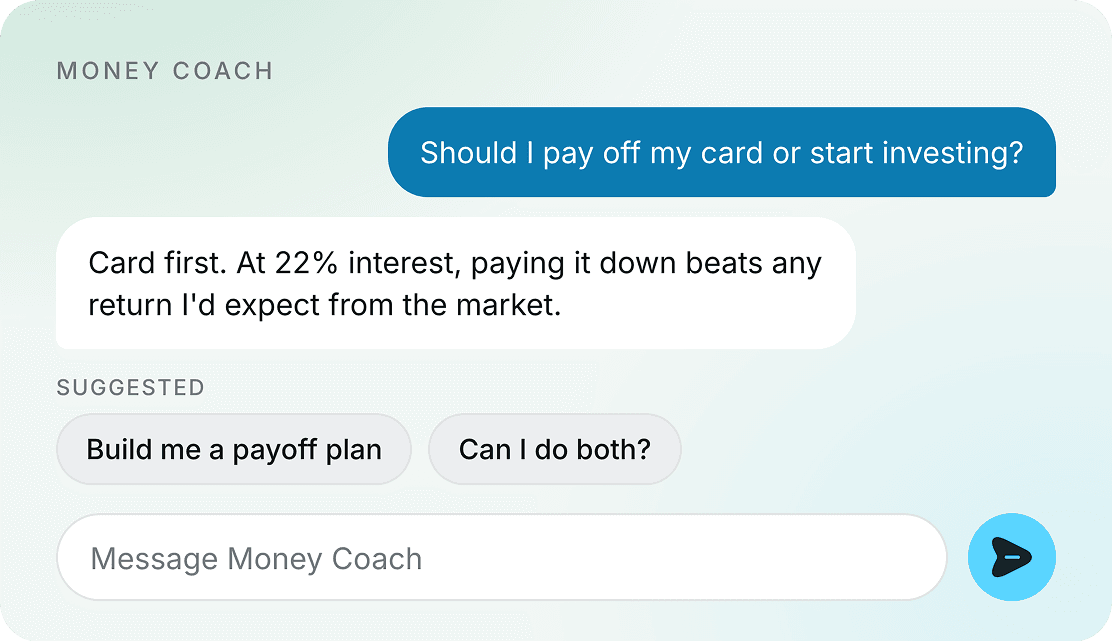
Trust your money to experts, not chatbots
investing
Jun 25, 2026
Should You Buy IPOs? 4 Myths About Hot New Listings
investing
Jun 18, 2026
Best Index Funds for Beginners and How to Pick One
investing
Jun 10, 2026
What Is an Index Fund? A Complete Beginner's Guide
investing
Jun 09, 2026
How to Start Investing: A Beginner’s Guide for 2026
investing
Jun 04, 2026
What Is Quantum Computing? An Investor’s 2026 Guide

By using this website you agree to our Terms of Use and Privacy Policy. To begin investing on Stash, you must be approved from an account verification perspective and open a brokerage account.