How to Maximize Your Tax Refund in 2025
Published: Nov 11, 2024
• Updated: Dec 07, 2024
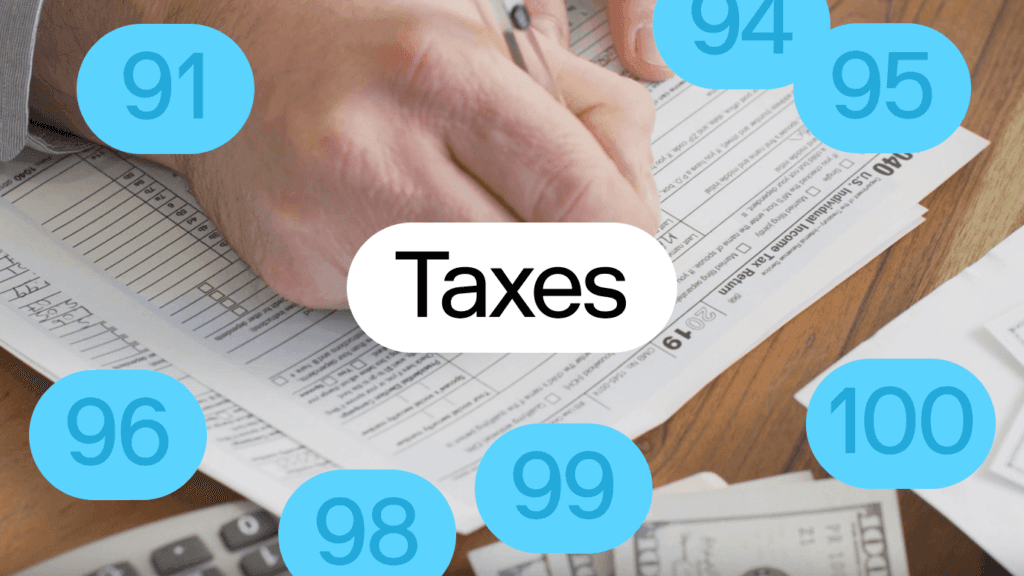
Tax season can be overwhelming, but it also presents a unique opportunity to improve your financial health. If the prospect of a tax refund has you dreaming of a big splurge, take a moment to consider how that money could be a stepping stone to a brighter financial future: paying off debt, building savings, or funding future goals. If you’re wondering how to maximize your tax refund in 2025, this guide will walk you through expert tips and strategies—from understanding changes in tax law to leveraging deductions to planning for the future.
Understanding tax refunds in 2025
What is a tax refund?
Generally, you pay taxes throughout the year. If you’re an employee, your employer withholds taxes from your paycheck and sends what you owe to the government; if you’re self-employed, you’ll usually need to take care of that yourself through estimated quarterly tax payments. When you file your annual tax return, you provide comprehensive information about your earnings for the year and any deductions you’re eligible for. Based on that, you may find that you’ve paid more taxes than you actually owe—and the government now owes you money.
A tax refund is the money the government returns to you if you’ve overpaid taxes throughout the year. This overpayment can occur due to excessive withholding from your paycheck or eligible deductions and credits that reduce your overall tax liability.
One thing to keep in mind: a tax refund might feel like a windfall of extra cash, but it’s actually your hard-earned money. Taxes have been coming out of your paycheck all year long; if you get a refund, it’s the government returning money because you paid more than you had to. Adopting this mindset can help you avoid the temptation to spend and instead focus on how to maximize your tax refund for your financial health.
Changes to expect in 2025
Tax codes evolve each year, and staying informed is key to maximizing your refund. For 2025, some potential updates to watch for include:
Standard deduction adjustments: The standard deduction typically increases slightly each year to keep up with inflation. This can affect how much of your income is taxable. In tax year 2025, the standard deduction will be $22,500, a $600 increase over tax year 2024.
Credit expansions: Families may benefit from enhanced child tax credits and similar incentives.
Reduced pandemic relief programs: If you relied on pandemic-era programs or credits, note that some of those deductions may no longer apply beyond April 2025.
To ensure you’re taking full advantage of the latest regulations, check the IRS website or consult a tax professional.
Maximizing your tax refund
The good news is there’s plenty you can do to get the most out of your tax refund. Here’s a breakdown of strategies for both individual taxpayers and small business owners.
Tips for individual taxpayers
Claim all deductions and credits: Deductions like student loan interest, mortgage interest, and eligible medical expenses can reduce your taxable income. Credits like the Earned Income Tax Credit (EITC) directly reduce your tax liability and may even boost your refund. Review all the deductions available to determine which ones apply to you.
Boost your retirement savings: Contributions to retirement accounts, such as a 401(k) or traditional IRA, can reduce taxable income. That can lower the overall amount of taxes you have to pay. Ensure you’ve made all the eligible contributions you can before the filing deadline.
Organize tax records early: Keeping receipts and documentation for deductible expenses (such as charitable contributions and mortgage interest) will make filing smoother and help ensure you maximize what you can claim.
Adjust your withholding: If you tend to overpay throughout the year, consider adjusting your W-4 form with your employer. While this won’t impact the current tax season, it aligns your withholdings closer to your actual liability so you don’t send the government extra money all year long.
File electronically: E-filing is faster than snail mail, and it reduces the risk of errors compared to paper filing. Choosing direct deposit can also speed up your refund’s arrival.
Tips for small business owners
Leverage all legitimate business deductions: Common deductions include office supplies, business-related travel, and software subscriptions. Don’t forget home office deductions if applicable.
Take advantage of depreciation: If you’ve purchased business equipment or vehicles, deducting depreciation expenses can lead to significant savings.
Contributions to SEP-IRAs: Simplified Employee Pension Individual Retirement Accounts (SEP-IRAs) allow business owners to save for retirement while enjoying tax advantages.
Stay updated on tax law changes: Tax laws for businesses can shift, influencing what deductions and credits you can claim. Partnering with a tax advisor who understands your industry can help you stay ahead.
Track expenses meticulously: Apps and bookkeeping software can help you stay on top of deductible expenses throughout the year, maximizing opportunities to reduce taxable income and ensuring you don’t miss any details when it’s time to file.
The role of financial planners
Feeling overwhelmed by the complexities of tax law? Unsure whether you’re claiming all the deductions you’re eligible for? You’re not alone. For many taxpayers, consulting a financial planner or tax advisor is well worth the cost. Allowing a pro to take the lead can reduce the stress of tax preparation, and an expert can help determine how to maximize your tax return.
Why work with a financial planner?
Personalized advice: Your financial situation is unique, and a one-size-fits-all approach to your taxes probably won’t help you come out ahead. A professional tax advisor can tailor recommendations to maximize deductions you may have overlooked, not to mention ensure the accuracy of your return.
Future planning: Beyond just this year’s refund, financial planners can help you strategize for future tax seasons, ensuring you’re always prepared for what’s next. Whether you work primarily as an independent contractor, an employee, or a business owner, understanding how to plan your finances with taxes in mind can keep you ahead of the game.
Stress-free compliance: They’re called professionals for a reason. Financial planners and tax advisors are equipped to handle complex regulations and financial situations, ensuring your return is accurate and compliant with the law. No more wondering whether your self-prepared return will come under scrutiny for a deduction you weren’t sure about when you can hire a pro who knows how to navigate the system.
If hiring a financial planner or tax pro sounds like a significant investment, remember the return may outweigh the cost, emotionally and monetarily. Even minor adjustments to your tax strategy could lead to a significant increase in your refund—and your peace of mind.
Planning ahead for future tax seasons
As Benjamin Franklin famously said, “...in this world, nothing can be said to be certain, except death and taxes.” Since taxes are inevitable, planning ahead is your chance to take charge of your financial future. To ensure long-term financial health, consider a proactive approach that includes year-round tax planning and strategic saving to maximize your returns.
Year-round tax planning tips
Automate expense tracking: Use tools or apps to record deductible expenses throughout the year, reducing last-minute tax prep chaos. Or, if you’re still a fan of the old-fashioned folder full of receipts, enter your expenses into a spreadsheet once a month. You’ll have a clearer picture of where you stand, and your tax pro will thank you for being so organized.
Evaluate your financial goals: Make a plan for how you’ll use your tax refund before it hits your bank account. Paying off debts, building an emergency fund, or investing are all strategies that can help you get (and stay) ahead in the coming year. For example, depositing your refund into a high-yield savings account year after year could generate a good amount of interest while you build a nest egg for unexpected expenses, education, or a home or vehicle down payment.
Plan your charitable giving: Donating to 501(c)(3) non-profit organizations can reduce your taxes and make a contribution for the greater good. Find organizations with missions that align with your values, make a contribution, and ask for a tax receipt so you can itemize your charitable giving deductions. Be sure to donate before the end of the tax year in order to claim the deduction.
Strategic saving tips
Open a Health Savings Account (HSA): HSAs provide a triple tax advantage—tax-deductible contributions, tax-free growth, and tax-free withdrawals for medical expenses—as well as a safety net for your health care needs. If you have a High Deductible Health Plan (HDHP) with an HSA option through your employer, you can choose to contribute pre-tax dollars directly from your paycheck.
Contribute to your retirement accounts: Putting money into your traditional IRA or 401(k) can reduce your tax burden for the following year, and it will help ensure that you’re building enough savings to retire when you want to. Depending on age, taxpayers can contribute $7,000-$8,000 annually to an IRA in 2025, and up to $23,500 to a 401(k).
Invest your refund wisely: A financial planner or investment advisor can help you put your tax refund into the types of investments that align with your goals. Stocks, bonds, mutual funds, and exchange-traded funds (ETFs) are common options for a diversified portfolio focused on long-term growth. Be sure that your investment strategy fits your risk profile and overall financial goals before making any decisions.
By taking these actions now, you’ll be in prepared to tackle the 2025 tax season—as well as years to come.
Maximize your tax refund for financial health
Maximizing your tax refund in 2025 doesn’t need to be overwhelming. By leveraging deductions, planning ahead, and working with financial experts, you can make your money go further and work smarter. Start by implementing the tips in this guide, and remember that with the right approach, tax season can turn into a time of opportunity and empowerment for your future financial stability.

Written by
Team Stash
We want to turn money into a source of hope and opportunity. We teach people how to build good habits, save more and make it easy and affordable to get started investing. So far, we’ve helped over 6 million people create a more secure financial future with our expert advice and award winning investing app.
Related articles

taxes-and-retirement
Jun 10, 2026
What Is a Backdoor Roth IRA and How It Works in 2026
taxes-and-retirement
Jun 10, 2026
Roth Conversion Explained: Taxes, Rules, and Timing

taxes-and-retirement
Jun 06, 2026
Roth IRA vs Traditional IRA: Which Fits Your Taxes

taxes-and-retirement
Jun 06, 2026
Roth IRA Contribution Limits 2026: Key Rules to Know
taxes-and-retirement
Jun 06, 2026
What Is a Roth IRA? Rules, Taxes, and Who Qualifies

taxes-and-retirement
Dec 15, 2025
FAQ: Retirement Portfolio

By using this website you agree to our Terms of Use and Privacy Policy. To begin investing on Stash, you must be approved from an account verification perspective and open a brokerage account.