How to Invest in Stocks: Step-by-Step Guide
Published: Mar 19, 2025
• Updated: Mar 22, 2025
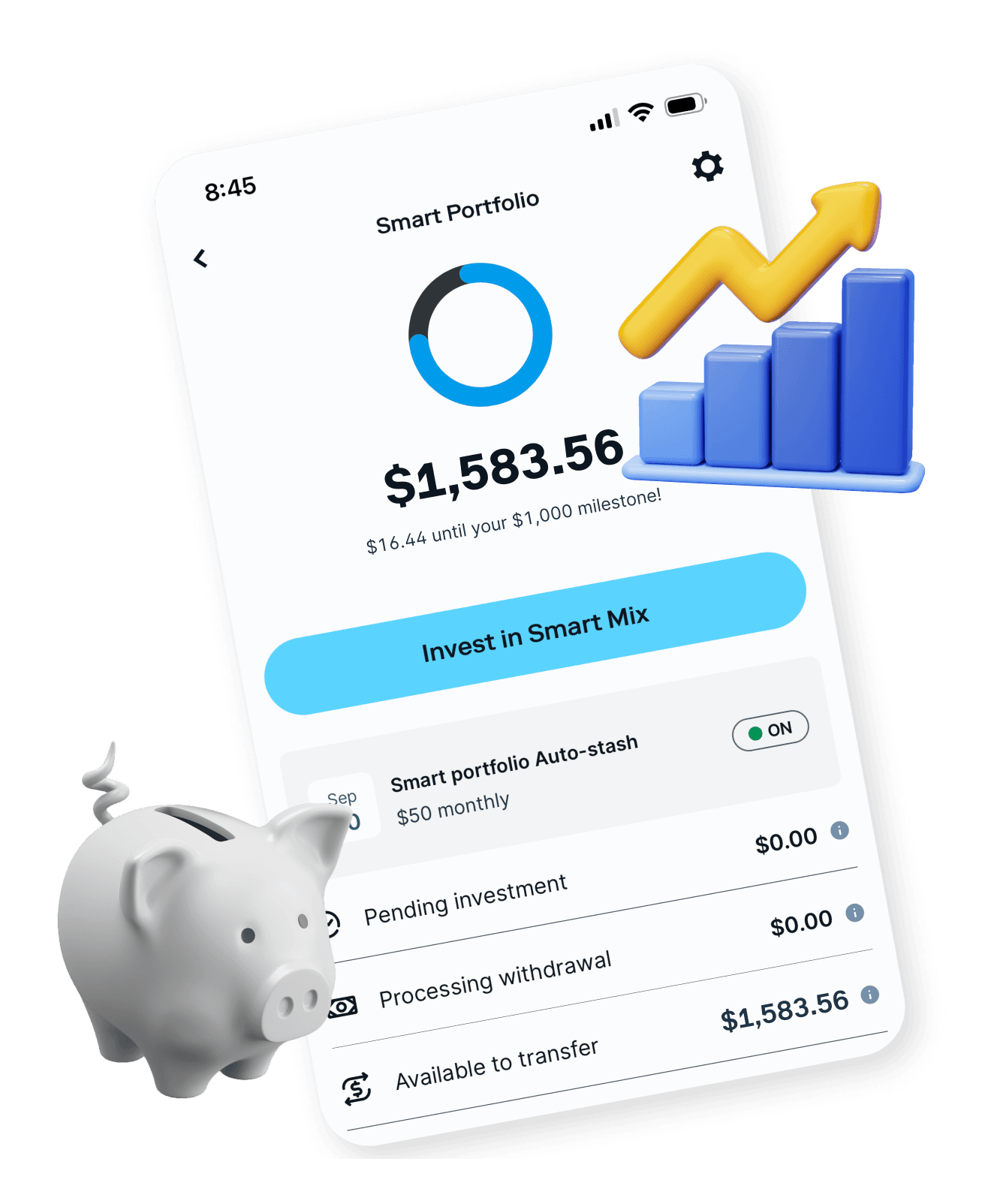
Investing in stocks can feel intimidating when you're just starting, but here’s the truth: it doesn't have to be. Whether you’re looking to grow your savings, plan for retirement, or build wealth over time, the stock market has the potential to make your money work for you. This step-by-step guide will break down the process into simple, actionable steps. By the end, you'll understand how to invest in stocks confidently and start building your portfolio.
Why Invest in Stocks?
Before we get started, it's important to understand why investing in stocks is a smart financial move.
Investing in the stock market allows you to grow your money over time. Historically, stocks have offered higher long-term returns compared to savings accounts, bonds, and other low-risk assets. While stock investing does come with some risks, it also provides the potential for substantial rewards if approached with strategy and patience.
Key benefits of investing in stocks include:
Wealth Building: Watch your money grow as companies succeed and stock values increase.
Passive Income: Many stocks pay dividends, offering additional income streams.
Beating Inflation: Unlike cash savings, which can lose value over time, stock investments often outpace inflation.
Now that you know the why, let's explore the how.
Step 1: Define Your Investment Goals
The first step to investing in stocks is understanding what you're investing for.
Ask yourself the following questions:
Are you saving for retirement, a major purchase, or just building wealth?
When will you need access to this money (short-term or long-term)?
How much risk are you comfortable taking?
Having clear goals will guide your decision-making process and help you figure out the types of stocks or assets that suit your needs best. For instance:
If you're saving for retirement in 20+ years, you can take on higher-risk, high-reward investments.
For shorter-term goals, stick with more conservative options like index funds.
Pro tip: Write down your goals and revisit them over time to ensure you're staying aligned with your objectives.
Step 2: Open a Brokerage Account
To invest in stocks, you'll need to open a brokerage account. Think of this account as the gateway that grants you access to the stock market.
What is a brokerage account?
A brokerage account is a financial account where you can buy, sell, and hold investments like stocks, ETFs (exchange-traded funds), or mutual funds.
How do you open one?
Most brokerages make the process straightforward:
Choose a brokerage platform: Popular options include Robinhood, Fidelity, E*TRADE, and Vanguard. Many brokerages offer user-friendly platforms perfect for beginners.
Fill out an application: Provide personal info like your Social Security Number (SSN) and employment details.
Fund your account: Link your bank account and transfer funds to start investing.
Tips for selecting a brokerage:
Prioritize low fees and no-commission trading platforms.
Look for educational resources or tools to aid beginners.
Step 3: Research Different Stocks
Now comes the exciting part! Once your brokerage account is set up, you’ll need to research which stocks to invest in.
Types of stocks to consider:
Growth Stocks: Shares of companies expected to grow faster than average, like tech startups or companies innovating in emerging sectors.
Value Stocks: Stocks priced lower than their intrinsic value, offering potential upside. Typically well-established companies.
Dividend Stocks: Pay you regular income just for holding shares. Examples include utility companies or firms with strong cash flow.
Tips for researching stocks:
Read annual reports or earnings releases to understand a company's financial health.
Analyze key metrics like price-to-earnings (P/E) ratio or earnings per share (EPS).
Track industry trends. For example, renewable energy and AI are areas seeing rapid growth.
Remember, investing isn’t about gambling. Study companies and look for long-term value. Don't rush into "hot" stocks based on fear of missing out (FOMO).
Step 4: Start with a Diversified Portfolio
You’ve identified some great stocks. Now, it’s time to diversify to spread the risk.
Why is diversification important?
Putting all your money into one stock is like betting your entire paycheck on one spin of the roulette wheel; it’s risky. Diversifying ensures your investments aren’t overly dependent on any single company’s performance.
How can you diversify?
Index Funds & ETFs: These are baskets of stocks representing an entire market or sector. They’re simple, low-cost, and great for beginners. Popular options include the S&P 500 ETF or total market index funds.
Mix Asset Classes: Consider splitting investments among stocks, bonds, or alternative assets like REITs (real estate investment trusts).
Start small, build gradually, and avoid overstretching yourself.
Step 5: Monitor and Rebalance Your Investments
Investing is not a set-it-and-forget-it activity. Once your portfolio is up and running, you’ll need to monitor its performance and rebalance as needed.
What is rebalancing?
Over time, certain investments may outperform others, shifting your portfolio away from its intended mix (e.g., becoming too stock-heavy). Rebalancing means selling some holdings and buying others to restore your original asset allocation.
How often should you monitor your portfolio?
For long-term investors, checking quarterly or semi-annually is often enough. Be wary of over-checking (investing isn’t day-trading).
Additional tips:
Stay informed about market conditions.
Avoid emotional decisions fueled by fear or market volatility.
Don’t make frequent trades as they can lead to high fees and taxes.
Investing in Stocks for Long-Term Growth
Investing in stocks is more of a marathon than a sprint. It requires patience, discipline, and an ongoing commitment to learning. By setting clear goals, diversifying your investments, and making calculated decisions, you’ll be on a path toward financial growth and stability.
Are you ready to start your investing journey? Opening your first brokerage account or researching stocks may feel like a big step, but it’s one that can transform your financial future.
And remember, every great investor started where you are right now—with a decision to begin.

Written by
Team Stash
We want to turn money into a source of hope and opportunity. We teach people how to build good habits, save more and make it easy and affordable to get started investing. So far, we’ve helped over 6 million people create a more secure financial future with our expert advice and award winning investing app.
Related articles

investing
Oct 02, 2026
Trust your money to experts, not chatbots

investing
Jun 25, 2026
Should You Buy IPOs? 4 Myths About Hot New Listings
investing
Jun 18, 2026
Best Index Funds for Beginners and How to Pick One
investing
Jun 10, 2026
What Is an Index Fund? A Complete Beginner's Guide
investing
Jun 09, 2026
How to Start Investing: A Beginner’s Guide for 2026

investing
Jun 04, 2026
What Is Quantum Computing? An Investor’s 2026 Guide

By using this website you agree to our Terms of Use and Privacy Policy. To begin investing on Stash, you must be approved from an account verification perspective and open a brokerage account.