How To Invest in Cryptocurrency With ETFs
Published: Aug 14, 2024
• Updated: Sep 05, 2024

Cryptocurrency has taken the financial world by storm in recent years, captivating both seasoned investors and curious beginners. However, navigating the volatile world of digital assets can be daunting, especially if you’re just starting out as an investor. Enter cryptocurrency exchange-traded funds (ETFs): a more accessible and diversified way to invest in the digital currency market. In this guide, you’ll learn the pros and cons of cryptocurrency ETFs, discover some of the biggest players in the crypto ETF landscape, and learn how you can start investing.
What are crypto ETFs?
Cryptocurrency ETFs track the performance of one or multiple digital currencies, allowing investors to gain exposure without owning the actual coins. Unlike traditional ETFs, which typically involve stocks, bonds, or commodities, crypto ETFs focus exclusively on the digital currency market. These funds may hold cryptocurrencies directly, invest in crypto futures contracts, or include shares in crypto-related companies and associated technologies.
Investing in a cryptocurrency ETF can provide a convenient way to diversify your portfolio with crypto while potentially minimizing the risks associated with direct cryptocurrency ownership as an investment vehicle.
Advantages of investing in crypto ETFs
Diversification
One of the key benefits of crypto ETFs is the opportunity for diversification. Instead of putting all your eggs in one basket by purchasing a single type of coin, you can buy shares in a fund that provides exposure to multiple cryptocurrencies, reducing the risk associated with holding a single asset. For example, an ETF might include a mix of Bitcoin, Ethereum, and Litecoin, spreading your investment and risk across different digital assets. If one of those cryptocurrencies loses value, the others may hold steady or even grow, reducing the impact on your portfolio overall.
Lower risk
Crypto ETFs are generally considered less risky than owning individual cryptocurrencies. These funds mitigate risks by diversifying holdings and being managed by financial experts who adjust the fund’s portfolio based on market conditions. Given the volatile nature of crypto markets, the ways in which crypto ETFs mitigate risk can be an important consideration for people looking to align investment choices with their individual risk tolerance.
Ease of access
Investing in crypto ETFs is fairly straightforward, especially for beginners. Purchasing and managing multiple cryptocurrencies yourself can be complex; you may need to set up a crypto wallet and understand blockchain technology. ETFs simplify the process of investing in crypto. You can buy and sell ETFs through traditional brokerage accounts, just like stocks and bonds.
Downsides of investing in crypto ETFs
Fees and expenses
While crypto ETFs offer a simplified investment experience, they often come with higher management fees compared to traditional ETFs. These costs can cut into your overall returns, especially in a market where margins are already slim. It’s crucial to review the expense ratios of any crypto ETF you consider, as lower fees can enhance your long-term profitability.
Limited exposure to individual cryptocurrencies
Investing in a crypto ETF means you may miss out on the gains that can come from holding individual cryptocurrencies directly. While ETFs provide diversification, they can dilute the impact of a single asset's performance. If a particular cryptocurrency surges, your ETF may not reflect its full potential due to the blend of assets it holds, which might limit your overall investment performance.
Regulatory risks
The landscape of cryptocurrency regulation is constantly evolving. Changes in laws or regulations can have significant implications for crypto ETFs. If regulatory scrutiny increases, it may affect the market value of the underlying cryptocurrencies or even the viability of certain ETFs. Investors should stay informed about regulatory developments that could impact their holdings.
Market volatility
Market volatility refers to how frequently and to what degree the price of assets in a market go up and down. While some volatility is inherent to all investing, the cryptocurrency is generally far more volatile compared to things like stocks and bonds, and that means more risk of losing money. Despite being less volatile than individual cryptocurrencies, crypto ETFs are not immune to market fluctuations. The crypto market is still relatively immature, and price swings can be dramatic. This volatility may lead to substantial short-term losses, urging investors to carefully consider their risk tolerance before investing.
Limited liquidity
Liquidity refers to how easily an asset can be bought or sold in the market without affecting its price. In the case of some crypto ETFs, they might have lower liquidity compared to traditional ETFs. This means there are fewer buyers and sellers in the market, which can make it more difficult to execute large trades. When liquidity is low, buying or selling shares might significantly impact the ETF's price, potentially leading to less favorable prices for investors.
The 5 biggest players in the crypto ETF market
1. Grayscale Bitcoin Trust (GBTC)
Grayscale Bitcoin Trust is one of the largest and most well-known cryptocurrency ETFs. It primarily focuses on Bitcoin and allows investors to gain exposure to the leading digital currency through a traditional investment vehicle instead of buying coins directly. GBTC holds a significant market share in the world of crypto ETFs.
2. Bitwise 10 Crypto Index Fund (BITW)
The Bitwise 10 Crypto Index Fund offers diversified exposure to the top ten cryptocurrencies by market capitalization. This ETF rebalances its portfolio monthly in order to remain aligned with the most highly valued digital assets. The fund may be an appealing choice for investors who want to gain exposure to multiple types of cryptocurrency.
3. Amplify Transformational Data Sharing ETF (BLOK)
While not exclusively a cryptocurrency ETF, BLOK invests in companies involved in blockchain technology and digital assets. It includes shares in companies like Square, PayPal, and Coinbase, providing indirect exposure to the crypto market. This ETF may be attractive to investors interested in both blockchain innovation and cryptocurrency.
4. ProShares Bitcoin Strategy ETF (BITO)
ProShares Bitcoin Strategy ETF focuses on Bitcoin futures rather than holding the actual cryptocurrency. It aims to provide investors with a way to gain exposure to Bitcoin's price movements without owning the asset directly. BITO may interest investors who hope for returns that correspond to Bitcoin without the complexities of owning currency directly.
5. Purpose Bitcoin ETF (BTCC)
Purpose Bitcoin ETF is a Canadian ETF that holds actual bitcoins rather than futures contracts. It's designed for investors seeking direct exposure to Bitcoin's price. BTCC was the first physically settled bitcoin ETF, and is known for its transparent structure and low management fees.
How to buy crypto ETFs in 5 steps
Choose a brokerage platform: Start by selecting a brokerage account that offers crypto ETFs. The available crypto ETF options vary across brokerages, so research what’s on offer at different brokerages to find one with funds that appeal to you.
Open your brokerage account: Opening a brokerage account is usually a straightforward process you can do on your computer or phone if you use an online brokerage. If you choose a brick-and mortar brokerage firm, you may need to open your account over the phone or in person.
Fund your account: You’ll need to transfer money into your brokerage account before you can buy crypto ETFs. You can usually do that with a bank transfer or a wire transfer; some platforms will let you use a debit card.
Find and buy shares of crypto ETFs: Search the brokerage platform for the name or stock ticker of the crypto ETF you’re interested in. Decide how many shares you want to buy and place an order. You can typically choose between a market order (buying at the current price) or a limit order (buying when the price reaches a specific point).
Monitor your investment: Keep an eye on your ETF's performance and consider setting alerts for significant price changes.
Important considerations
Fees: Be aware of any fees associated with buying and holding crypto ETFs. These may be fees that are part of a fund’s expense ratio, as well as various fees that may be charged by the brokerage.
Regulations: Cryptocurrency regulations vary by country and can affect the availability and performance of crypto ETFs. Stay informed about regulatory changes that may impact your investment.
Future outlook and potential risks
Growth potential
The cryptocurrency market has seen tremendous ups and downs in recent years, making it hard to predict future performance. That said, crypto ETFs have been gaining traction in the last year. The Securities and Exchange Commission approved 11 new bitcoin ETFs in January 2024, which was seen as a win for the crypto ETF market. And according to Bloomberg, the global crypto ETF market could potentially reach $5 billion in assets under management by 2025.
Potential risks
Despite the potential for growth, crypto ETF investing is still seen as a risky investment. Cryptocurrencies are known for their price volatility, which can affect the value of the ETF. Governments worldwide are still figuring out how to regulate cryptocurrencies, which can lead to sudden policy changes affecting ETF performance. Investors looking to buy shares of crypto ETFs may want to consider integrating them into a diversified portfolio that includes more stable assets like index funds and bonds.
How to invest in crypto ETFs: know the risks and stay informed
Investing in cryptocurrency ETFs can give you exposure to the digital currency market without having to buy crypto directly. With diversified holdings, reduced risk, and ease of access, funds can make the world of crypto investing more approachable for the average investor.
By being aware of the risks, understanding the market, and creating a diversified portfolio, you can be well-equipped to make informed decisions about investing in crypto ETFs. Remember, the key to successful investing is staying informed and making choices that align with your financial goals and risk tolerance.

Invest made easy
Start today with any dollar amount


Written by
Tara Blaine
Tara Blaine draws on over 20 years of experience as a writer to translate seemingly complex financial ideas into insights readers can put to work in their everyday lives. She’s written personal finance education materials for numerous institutions, helping customers learn smart techniques for budgeting, overcoming debt, saving money, and planning for their long-term financial health.
Related articles
investing
Oct 02, 2026
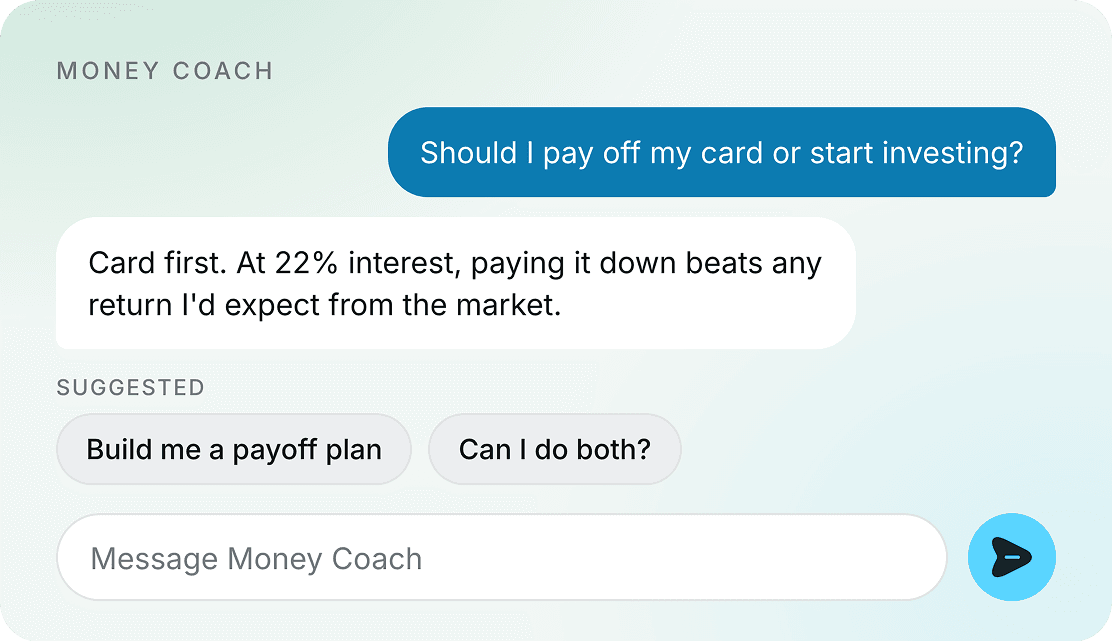
Trust your money to experts, not chatbots

investing
Jun 25, 2026
Should You Buy IPOs? 4 Myths About Hot New Listings

investing
Jun 18, 2026
Best Index Funds for Beginners and How to Pick One

investing
Jun 10, 2026
What Is an Index Fund? A Complete Beginner's Guide

investing
Jun 09, 2026
How to Start Investing: A Beginner’s Guide for 2026
investing
Jun 04, 2026
What Is Quantum Computing? An Investor’s 2026 Guide

By using this website you agree to our Terms of Use and Privacy Policy. To begin investing on Stash, you must be approved from an account verification perspective and open a brokerage account.