How to Choose the Right Investment Strategy
Published: Mar 28, 2025
• Updated: Mar 29, 2025

Investing is one of the most effective ways to build wealth and achieve financial goals, but the sheer number of options can feel overwhelming, especially for beginners. You might be wondering, "Where do I even start?" or "How do I invest properly?" The key lies in choosing the right investment strategy that aligns with your goals, risk tolerance, and timeline.
This guide will walk you through the essentials so you can confidently begin your investing journey, whether you're saving for retirement, building an emergency fund, or planning to grow your wealth for the future.
Understanding Your Risk Tolerance
Before jumping into investment options, it’s crucial to determine your risk tolerance. This refers to how comfortable you are with the potential ups and downs of the market.
How to Assess Your Risk Comfort Zone
Consider these factors when assessing your risk tolerance:
Age and Timeline: Younger investors typically have more time to recover from market dips, making higher-risk options more viable. Older investors near retirement may prefer safer, lower-risk investments.
Short vs. Long-Term Goals: Are you investing for something 2 years away, like a wedding, or for something decades away, like retirement? Short-term goals necessitate safer, more liquid investments, while long-term goals can endure market fluctuations.
Personal Comfort: Reflect on how you feel about losing money in the short term for potential long-term gains. If stock market volatility makes you anxious, a conservative strategy may suit you better.
For an easy assessment, many online platforms, like robo-advisors, offer questionnaires to help determine your risk tolerance.
Exploring Investment Options
Once you understand your risk tolerance, it’s time to explore the diverse range of investment vehicles available. Each has pros and cons you’ll want to consider.
1. Stocks
Investing in stocks means buying partial ownership in a company. These are ideal for growth-oriented investors with a higher risk tolerance. While they can yield significant returns, they come with greater volatility.
Example: Investing in blue-chip companies like Apple or Microsoft.
2. Bonds
Bonds are essentially loans you give to governments or corporations, which pay you back with interest. They’re a safer, fixed-income investment but typically yield lower returns than stocks.
Example: U.S. Treasury Bonds are a popular low-risk option.
3. Mutual Funds and ETFs
If picking individual stocks or bonds sounds overwhelming, consider mutual funds or ETFs (exchange-traded funds). These pool money from multiple investors to invest in a diversified portfolio of stocks, bonds, or both. They're great for beginners seeking automatic diversification.
4. Real Estate
Real estate investments provide tangible assets and income opportunities through rental properties. They’re considered relatively stable but require more upfront capital and management.
Example: Purchasing a rental property or investing in Real Estate Investment Trusts (REITs).
The Benefits of Diversification
Ever heard the saying, “Don’t put all your eggs in one basket”? That’s diversification in a nutshell. This strategy is about spreading your investments across different asset classes to minimize risk.
How to Diversify Effectively
By combining various investments, such as stocks, bonds, and mutual funds, you can lower your risk while maintaining potential for growth. For example:
High-growth areas: Stocks or ETFs in emerging markets.
Stable options: Bonds or dividend-paying stocks.
Alternative assets: Real estate or commodities like gold.
Many financial platforms offer pre-diversified portfolios, making it easy to start even if you’re new to investing.
Long-Term vs. Short-Term Strategies
Your investment strategy should align with your financial goals’ timelines.
Long-Term Investment Strategy
Longer timelines give you the ability to weather market downturns, making growth-focused options like stocks and mutual funds ideal. A popular long-term strategy is "buy and hold," where you stay invested despite short-term market fluctuations.
Example Goal: Saving for retirement in 20+ years.
Suggested Approach: Invest in a mix of stocks and ETFs with compound growth potential.
Short-Term Investment Strategy
If your goal is within 1-5 years, preservation of capital becomes a priority. Safer, more liquid investments like bonds or high-yield savings accounts are ideal. Avoid high-volatility options that could lead to short-term losses.
Example Goal: Saving for a house down payment in 3 years.
Suggested Approach: Opt for bonds or money market funds.
Seeking Professional Advice
Investing may feel daunting, but you don’t have to go it alone. Financial advisors and digital tools can provide tailored recommendations to fit your unique needs.
When to Consult an Expert
Major Life Events: Starting a family, retiring, or purchasing a home.
Large Financial Decisions: Don’t know how to allocate an inheritance or bonus? Seek guidance.
Customized Plans: A professional can optimize investments based on your risk tolerance, taxes, and goals.
Budget-Friendly Options
If hiring a financial advisor isn’t feasible, consider robo-advisors like Betterment or Wealthfront. These platforms use AI to provide personalized recommendations, often at a lower cost.
Taking Control of Your Financial Future
Choosing the right investment strategy may seem overwhelming at first, but breaking it down into these steps can help simplify the process. Remember:
Start by assessing your risk tolerance and financial goals.
Explore various investment vehicles to diversify effectively.
Match your strategy to your timeline, balancing risk with potential rewards.
Whether you're a beginner aiming to grow your wealth or planning for long-term security, the right strategy is within reach. It’s never too early (or too late!) to start investing properly.
If you're ready to take your first steps but need guidance, explore Stash’s tools to find a plan tailored to your goals. Building your financial future starts today!

Written by
Team Stash
We want to turn money into a source of hope and opportunity. We teach people how to build good habits, save more and make it easy and affordable to get started investing. So far, we’ve helped over 6 million people create a more secure financial future with our expert advice and award winning investing app.
Related articles
investing
Oct 02, 2026
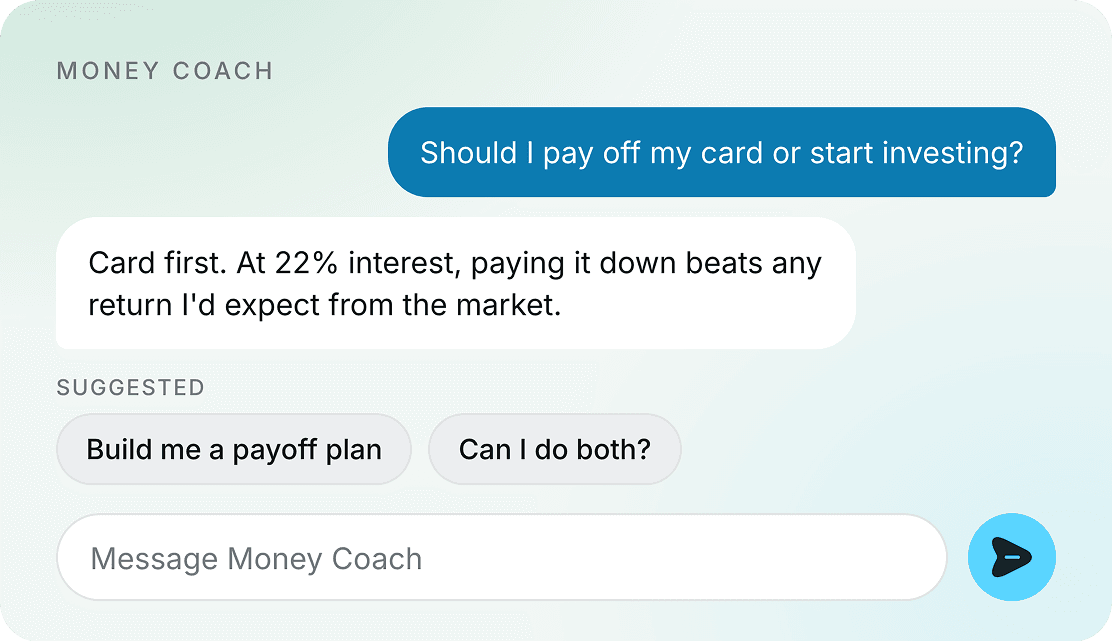
Trust your money to experts, not chatbots
investing
Jun 25, 2026
Should You Buy IPOs? 4 Myths About Hot New Listings
investing
Jun 18, 2026
Best Index Funds for Beginners and How to Pick One
investing
Jun 10, 2026
What Is an Index Fund? A Complete Beginner's Guide
investing
Jun 09, 2026
How to Start Investing: A Beginner’s Guide for 2026

investing
Jun 04, 2026
What Is Quantum Computing? An Investor’s 2026 Guide

By using this website you agree to our Terms of Use and Privacy Policy. To begin investing on Stash, you must be approved from an account verification perspective and open a brokerage account.