Aug 08, 2024
How Much Should You Budget for Groceries? Creating a Realistic Plan
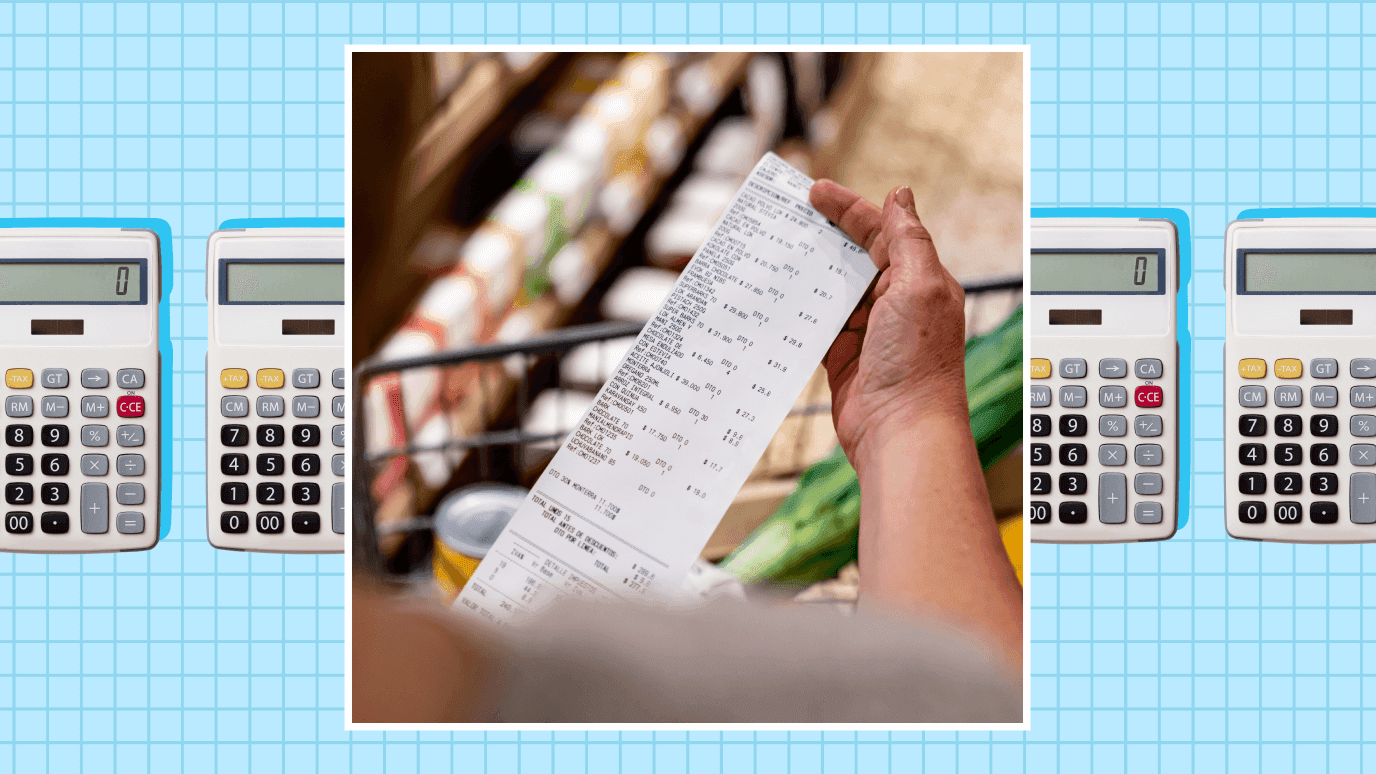
When you’re making a budget, variable expenses can be tricky to account for. Groceries are one of the most common budget categories people struggle with: they’re an essential expense, but the cost can change quite a bit from week to week and month to month. If you’ve been asking yourself “How much should I budget for groceries?” rest assured that some handy strategies can help you get a more accurate handle on managing your expenses.
When you understand how much you should budget for groceries, you can create a more realistic budget, ensure your needs are covered, and find opportunities to reduce costs so you can devote more money toward things that build your financial stability.
What to consider for your grocery budget
Everyone’s needs are different when it comes to food. How much you should budget for groceries depends on several factors unique to your life. So the first step in answering the question “How much should I budget for groceries?” is to get clear on the various circumstances that dictate your needs and preferences.
Family size and composition
The number of people in your household significantly affects your grocery expenses. A family of four, for instance, will naturally spend more than a single individual. Additionally, the ages of your household’s members matter; children, teenagers, and adults have different dietary needs and appetites. For instance, a teenager may consume more calories compared to a younger child, impacting your overall grocery bill.
Dietary needs and preferences
Special dietary needs and preferences can also influence your grocery budget. If someone in your family has food allergies or specific dietary restrictions, such as gluten-free or dairy-free diets, you might find yourself spending more on specialty items. Personal food preferences, like a commitment to buying organic or a penchant gourmet foods, can further affect costs.
Location and cost of living
The cost of living in your area can affect grocery prices significantly. Urban areas often have higher grocery prices compared to rural regions. Additionally, certain neighborhoods may have limited access to affordable stores, leading to higher grocery bills. Your geographical region matters too. If certain foods are produced close to where you live, they may be cheaper than if you’re buying food grown far away.
Lifestyle and eating habits
Your lifestyle choices and eating habits also play a role in how much you should budget for groceries. If you frequently dine out, your grocery bill might be lower. Conversely, if you prefer cooking at home, you’ll need to allocate more funds for groceries. Ingredient preferences, such as opting for fresh produce versus canned or frozen, also play a part in your grocery bill. Relying on convenience foods can also affect your spending.
How to calculate your grocery budget
Once you understand the factors that contribute to your grocery costs, you can start to zero in on how much you should budget for groceries based on your circumstances. Since groceries are a variable expense, you’re unlikely to come up with a number that stays exactly the same each month. However, you can get an accurate estimate by analyzing your spending patterns and creating a budget that accounts for your needs.
Track your current spending
Begin by tracking your spending on groceries. Review how much you’ve spent on groceries over the last few months: take a look at your bank account transactions, credit card statements, or your budgeting app if you use one. Use that information to calculate the average amount you spend on groceries each week and month. This will give you a baseline understanding of how much you should budget for groceries going forward.
Apply the 50/30/20 rule
The 50/30/20 budgeting rule is a popular method for managing finances. According to this rule, 50% of your income should go toward needs, 30% toward wants, and 20% toward savings. For example, if your monthly take-home income is $3,000, you’d allocate $1,500 to necessary expenses, $900 to discretionary spending, and $600 to savings. Food is a necessity for living, so grocery expenses generally fall into the needs category, along with other required expenses like housing, utilities, transportation, and insurance.
That said, a closer look at your grocery spending can help you make a more accurate 50/30/20 allocation. Creating a realistic budget requires a clear understanding of your needs vs. wants, even when it comes to your grocery budget. There are plenty of opportunities to indulge in nice-to-haves at the grocery store, from a treat at the deli counter to non-essential household goods. Review your past spending closely to see how much of your grocery-store purchases are truly needs and how much is actually discretionary spending.
Create a custom grocery budget
With an understanding of your lifestyle factors, spending, and how to allocate income among needs and wants, you’ll be prepared to come up with a personalized answer to “How much should I budget for groceries?” Build your monthly budget and allocate how much you’ll need for groceries within it. Since most people buy groceries on a more frequent cadence, like once a week, you might want to set a weekly grocery budget and total it up to get the amount you should budget for the entire month.
As you’re planning ahead, be sure to take into account any special circumstances that will affect your grocery spending, such as baking cookies for the holidays, hosting a summer BBQ, or cooking a fancy dinner to celebrate a special day.
Once your budget is in place, track your grocery spending and make ongoing adjustments as needed. For instance, if you’re consistently spending more than planned at the grocery store, you may have underestimated how much you should budget for groceries and need to increase your allocation. Or if you frequently come in under budget, consider redirecting some of your grocery budget to savings.
Consider zero-based budgeting
Zero-based budgeting is a common strategy people use when they want to have high visibility into their spending and tight control over their money management. With this approach, every dollar of your income is assigned a specific purpose, ensuring no money is left unallocated. If you’re still asking yourself “How much should I budget for groceries?” every month, this detailed method may help you find a more precise answer.
With zero-based budgeting, you can break your budget categories down into as many specific line items as you want. You might set up categories within your grocery budget for specific types of expenses based on your household’s food needs, such as line items for breakfasts, lunches you pack for work or school, dinners, snacks, personal care products, and cleaning products. Then you can use your grocery store receipts to track your spending for each sub-category for a detailed look at your spending patterns, including which expenses tend to vary the most and where you could cut back most effectively.
Tips to save money on groceries
Once you determine how much you should budget for groceries, you may want to look for ways to reduce the amount you spend so you can use that money for other priorities. Saving money on groceries doesn’t have to mean compromising on quality or nutrition. With a few smart strategies, you can reduce your grocery bill and still enjoy delicious, healthy meals.
Plan your meals ahead of time
Meal planning can be a powerful tool for reducing grocery costs. By planning your meals for the week, you can make strategic choices about your recipes so you use up each ingredient and avoid waste. A meal plan also allows you to create a precise shopping list, which you can use to look for good deals and avoid having to run out to buy a forgotten ingredient at a more expensive store. Having a clear meal plan can also help you stick to your list and avoid impulse buying at the store.
Use coupons and loyalty programs
Coupons and loyalty programs can provide significant savings on groceries. Look for coupons in newspapers, mailings, online, or through grocery store apps. Digital coupon apps and websites make it easier than ever to find deals without having to clip physical coupons from the newspaper. Many stores also offer loyalty programs that reward you with discounts or points for future purchases. Take advantage of these programs to save on your grocery bill. Don’t be afraid to shop at multiple stores; they’ll often have different coupons and loyalty programs, so you can find the best deal for each item on your list.
Buy store brands and bulk foods
Store brands often offer the same quality as name brands but at a lower price. In fact, many store-brand products are made by the same manufacturers as their more expensive counterparts. Read the ingredients list to see if there’s any real difference between store-brand and brand-name products. And if your family members balk at the idea of store-brand options, consider doing a blind taste test at home; it can be a fun way to discover the value of store brands and get everyone involved in the effort to reduce grocery bills.
Buying in bulk can also be cost-effective over the long term because the unit price is usually lower compared to purchasing in smaller quantities. Be aware, however, that buying in bulk comes with some downsides. If you wind up buying more than you really need, you might wind up wasting food. Warehouse stores that sell primarily in bulk often have membership fees that might outweigh the potential savings. Finally, not everyone has the storage space or the money needed to make a big bulk purchase all at once, so consider whether this strategy actually makes sense for your life.
Shop at discount stores
Discount grocery stores can provide excellent value for your money. Stores like ALDI, Lidl, Grocery Outlet, WinCo, and others offer quality products at lower prices. Not every discount chain has stores in every state, so search online to find one that’s close to you.
When shopping at discount stores, you might not find all the name brands you’re used to. Be open to trying new brands and products you find. You might discover new favorites and save money in the process.
Take advantage of sales and discounts
Keep an eye out for sales and seasonal discounts. Most grocery stores have a weekly circular listing their specials for the week, which you can usually find in the newspaper and the store’s website; you might be able to sign up to get the circular via email each week. Plan your meals around discounted products or seasonal fresh items to make the most of your budget. Also, keep an eye out for sales on non-perishable and frozen items that you frequently use and stock up when there’s a good discount.
Calculate how much you should budget for groceries and take control of your spending
Budgeting for groceries is a crucial aspect of effectively managing your money. By considering factors like family size, dietary needs, and location, you can create a realistic grocery budget. Tracking your spending, using budgeting rules, and employing money-saving strategies can help you come up with an answer to “How much should I spend on groceries?” that makes sense for your lifestyle.
Start by analyzing your spending habits to understand how much you spend on groceries, then create a personalized budget that reflects your needs. Then you can monitor your spending, make adjustments as needed, and implement strategies to reduce your grocery costs. Managing your grocery budget can help you maintain a more balanced budget overall and take control of your spending for better long-term financial health.
An accurate grocery budget and careful planning can leave you with a full belly and a fuller wallet too, so get started today.

Investing made easy.
Start today with any dollar amount.

Budgeting for groceries FAQs
What is a realistic grocery budget?
A realistic grocery budget varies based on household size, dietary needs, and location. On average, a single person might spend $200-$300 per month, while a family of four might budget $800-$1,200.
How much should one person spend on groceries?
Generally speaking, one person should aim to spend around $50-$75 per week on groceries, depending on their income, dietary needs, and preferences.
Is $50 a week enough for groceries for one person?
Yes, $50 a week can be sufficient for one person, especially with careful meal planning, using coupons, and buying store brands.
What is the average budget for a family of four?
The average grocery budget for a family of four typically ranges from $800 to $1,200 per month, depending on dietary needs and location.

Written by
Tara Blaine
Tara Blaine draws on over 20 years of experience as a writer to translate seemingly complex financial ideas into insights readers can put to work in their everyday lives. She’s written personal finance education materials for numerous institutions, helping customers learn smart techniques for budgeting, overcoming debt, saving money, and planning for their long-term financial health.
Related articles
budgeting
May 04, 2025
How to Build Credit from Scratch in 2025

budgeting
Apr 27, 2025
Who gets the insurance check when a car is totaled?

budgeting
Apr 09, 2025
How to Make Extra Income While Working Full-Time

budgeting
Apr 08, 2025
How Much Does the Average American Make?

budgeting
Apr 07, 2025
How to Calculate Monthly Income

budgeting
Mar 14, 2025
How to Budget for Large Expenses

By using this website you agree to our Terms of Use and Privacy Policy. To begin investing on Stash, you must be approved from an account verification perspective and open a brokerage account.