Best Financial Products To Buy With Your Tax Refund
Published: Jan 06, 2025
• Updated: Jan 10, 2025
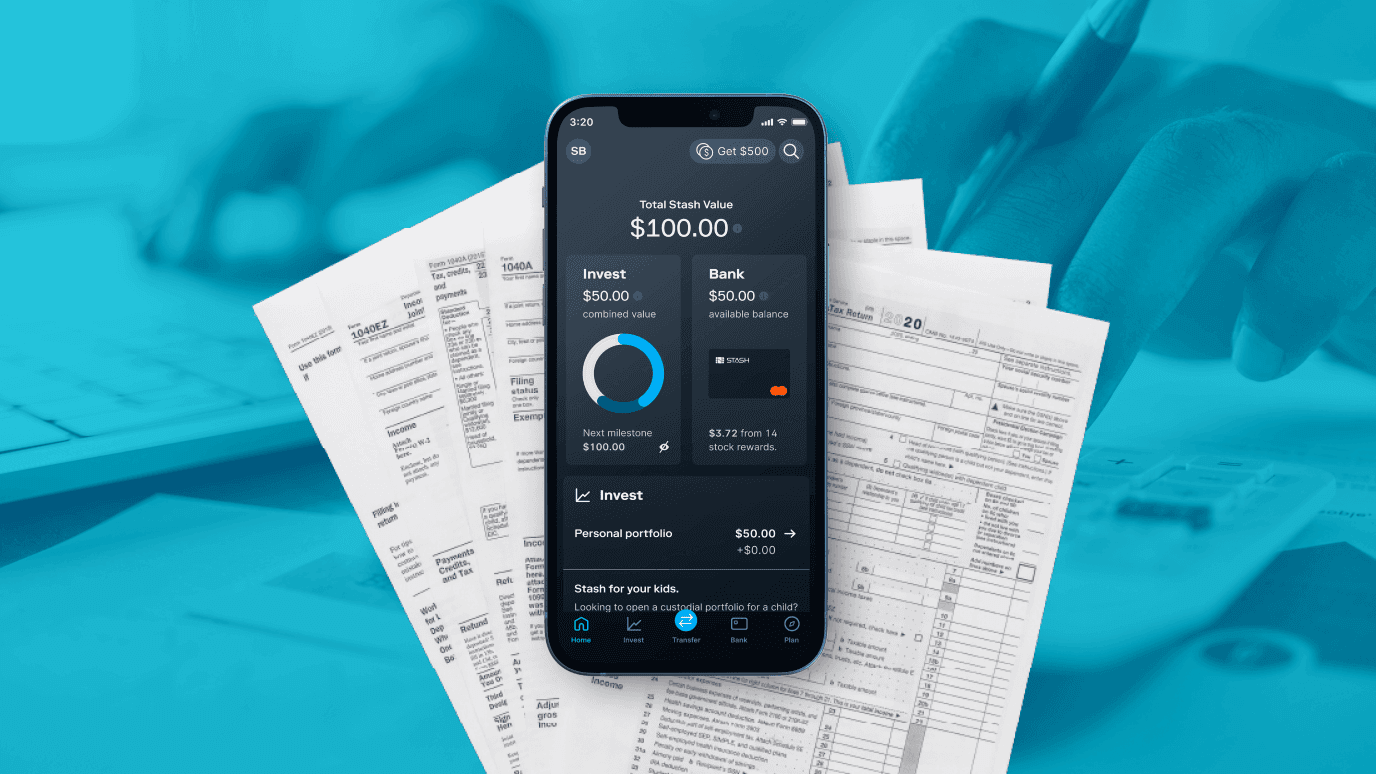
Tax refund season is here, and whether you’re receiving a modest or significant sum this year, now is the perfect time to plan how to use your refund wisely. Sure, it might be tempting to splurge on a shopping spree, but your refund has the potential to do so much more. Think of it as an opportunity to strengthen your financial foundation or give your future a meaningful boost.
This guide will walk you through some of the best financial products to consider for your tax refund. These suggestions are designed to help you make confident, strategic choices that benefit your long-term financial future.
Using your tax refund wisely
If you’ve just received your tax refund (or you’re about to), you may find yourself contemplating how to use it. Here’s the thing—your tax refund can be more than just extra spending money. With proper planning, a solid refund can fuel financial growth or improve your long-term financial security.
Smart spending and saving involve balancing short-term goals with long-term planning. For instance, you could:
Spend the money: You might enjoy whatever you buy now, but your refund won’t have a long-term impact on your finances.
Pay off debt: If you’re carrying high-interest debt, you could use your refund to make a dent in it and reduce the amount of interest you pay over time.
Put some of your refund into a savings account: You can set yourself up for more financial security with an emergency fund or work toward a large purchase.
Invest in financial products: Your tax refund can help you build resources for long-term goals like retirement, education, or financial security.
Strategically managing your refund provides an opportunity to take a step toward financial empowerment. However, strategic money management looks different for everyone. It’s entirely dependent on your goals, needs, and current situation.
Best financial products to invest in
To maximize your refund this year, focus on the investments or savings that align with your goals and financial plans. If you’re not sure what your goals are, briefly consider questions like:
Do I have high-interest debt?
Do I feel financially stable?
Do I have an emergency fund?
What are my near-term financial goals?
What are my long-term financial goals?
What do I need to prioritize first?
Once you understand your priorities, you can find the right solution for your specific financial needs. Below are some options to consider.
1. High-yield savings accounts
A high-yield savings account (HYSA) may be ideal if you’re looking for a low-risk place to park your tax refund while earning more interest than a traditional savings account. You’ll find high-yield savings accounts at many traditional and online banking institutions.
Benefits: An HYSA typically features a competitive interest rate, no or low account fees, low risk, and easy management. The money you store in your high-yield account is highly liquid, so you can pull it out and use it anytime.
Who it’s for: Anyone building an emergency fund or saving for short-term goals.
2. Investment accounts (stocks, ETFs, and more)
If you’re looking for something more long-term, consider opening an investment brokerage account and buying diversified financial products like stocks, exchange-traded funds (ETFs), or index funds. Investing gives your money the potential to grow over time, but is typically less liquid and higher risk than a HYSA.
Benefits: Brokerage accounts are easy to open and manage and have fewer restrictions than other types of investment accounts like retirement or education savings plans. These accounts are effective for broad investing.
Who it’s for: Investors who are ready to invest in the stock market and are looking at a long-term financial horizon of five or more years.
3. Retirement accounts (IRA or Roth IRA)
Your tax refund can also help you get closer to your retirement savings goals. You can invest in either a traditional IRA, with its same-year tax benefits, or a Roth IRA, which allows for tax-free growth. The account type you choose will depend on a number of factors, including your income, how much you’ve already contributed to IRAs in that year, and how long it will be until you hit retirement age. These accounts have a few restrictions, so review them before investing.
Benefits: Both IRA types feature tax advantages and opportunities for compounding growth.
Who it’s for: Investors planning for retirement, close to retirement age, or preparing for long-term growth.
4. Education savings plans (529 plans)
If you have children—or plan to in the future—you might consider starting a 529 savings plan. Your tax refund could provide a head start on your kids’ education fund. Be careful when choosing this option, as a 529 plan must be used exclusively for a child’s higher education or related educational expenses.
Benefits: 529 plans feature tax-free withdrawals for qualified educational expenses.
Who it’s for: Parents or future parents who want to plan ahead for college costs.
5. Debt repayment
While not technically a financial “product,” paying off high-interest debt is one of the most impactful ways you can use your refund to improve your financial situation. Tackling credit card balances or personal loans can save you hundreds or thousands in interest.
Benefits: The sooner you pay off high-interest debt, the less money you spend on interest payments over time. You can also help alleviate the burden of having ever-mounting credit card balances and high monthly payments.
Who it’s for: Those carrying high-interest debt looking for quick financial relief. This does not necessarily apply to those with mortgages, student loans, or other types of lower-interest debt.
6. Financial planning tools & subscriptions
Consider also investing in tools that help you manage your finances effectively. Budgeting apps or subscriptions to financial education platforms can provide ongoing support. Learning now will empower you to continue to grow your financial confidence in the future.
Benefits: You can personalize your financial education and develop skills that empower you to make the most of your finances.
Who it’s for: Anyone seeking to stay organized and make informed decisions.
Tips for maximizing your tax refund
Once you’ve selected the right product(s), here are some tips to stretch the impact of your refund even further:
Split your refund: Allocate percentages of your refund to different goals. For instance, use 50% for investing, 30% for savings, and 20% for personal spending. You can be strategic and still set some money aside for a little treat.
Automate your savings: Have your refund deposited directly into your high-yield savings account or retirement plan instead of your checking account so you’re not tempted to spend it all.
Avoid rash decisions: Don’t rush into big purchases. Evaluate how they affect your budget and future. If you give it a week (or a month) and you still really want to buy it, plan and budget for it so it doesn’t stress your finances!
Build an emergency fund: If you don’t have one, start saving for the unexpected. Experts recommend having three to six months’ worth of expenses covered.
Real-life examples
Take Sarah, for example. A 28-year-old content creator, Sarah decided to split her $1,800 tax refund. She used $1,000 to max out her Roth IRA contribution for the year (bringing her up to the $7,000 limit) and invested the remaining $800 in an ETF focused on renewable energy, an investment aligned with her values and financial goals. Two years later, she was that much closer to her retirement goals, and the value of her investment had increased.
Then there’s Alex, a 35-year-old IT professional with moderate savings and high-interest credit card debt. While Alex was interested in long-term savings, they knew they had to start by tackling the debt, which generated a lot of interest and stress. They put their $2,500 tax refund toward credit card debt, saving over $900 in interest charges by bringing down the total balance.
These success stories show that no matter your financial goals, making thoughtful choices with your refund can pay off.
Choose financial products to strengthen your future
Your tax refund is more than just a bonus—it’s an opportunity to get one step closer to lasting financial stability. Remember that a tax refund isn’t pennies from heaven; it’s your own hard-earned cash that the government’s been holding onto all year. Now it’s your chance to get that money back and use it to improve your future.
Whether you’re saving for the future, paying down debt, or investing in growth, using your tax refund for the right financial products can set you up for long-term success.

Written by
Team Stash
We want to turn money into a source of hope and opportunity. We teach people how to build good habits, save more and make it easy and affordable to get started investing. So far, we’ve helped over 6 million people create a more secure financial future with our expert advice and award winning investing app.
Related articles
taxes-and-retirement
Jun 10, 2026
What Is a Backdoor Roth IRA and How It Works in 2026
taxes-and-retirement
Jun 10, 2026
Roth Conversion Explained: Taxes, Rules, and Timing
taxes-and-retirement
Jun 06, 2026
Roth IRA vs Traditional IRA: Which Fits Your Taxes

taxes-and-retirement
Jun 06, 2026
Roth IRA Contribution Limits 2026: Key Rules to Know
taxes-and-retirement
Jun 06, 2026
What Is a Roth IRA? Rules, Taxes, and Who Qualifies

taxes-and-retirement
Dec 15, 2025
FAQ: Retirement Portfolio

By using this website you agree to our Terms of Use and Privacy Policy. To begin investing on Stash, you must be approved from an account verification perspective and open a brokerage account.