How To Choose the Best Dividend Stocks for Long-Term Growth
Published: Jan 07, 2025
• Updated: Jan 10, 2025
In this article:
- Understanding dividend stocks in your long-term investment strategy
- Criteria for selecting the best dividend stocks
- Market trends and economic factors that affect dividend stocks
- Top 10 dividend stocks for long-term growth
- Tips for building a diverse dividend stock portfolio
- Take control of your future with dividend stock investing
When you first start investing in the stock market, choosing the right investments can seem daunting. Dividend stocks can be a compelling path for both new and seasoned investors. These stocks not only promise long-term growth, but also provide a steady passive income stream through dividends.
This article will guide you through understanding dividend stocks, selecting the right ones for your long-term growth strategy, and building a diverse portfolio. By the end, you'll be equipped with the knowledge you need to make informed decisions that align with your financial goals.
Understanding dividend stocks in your long-term investment strategy
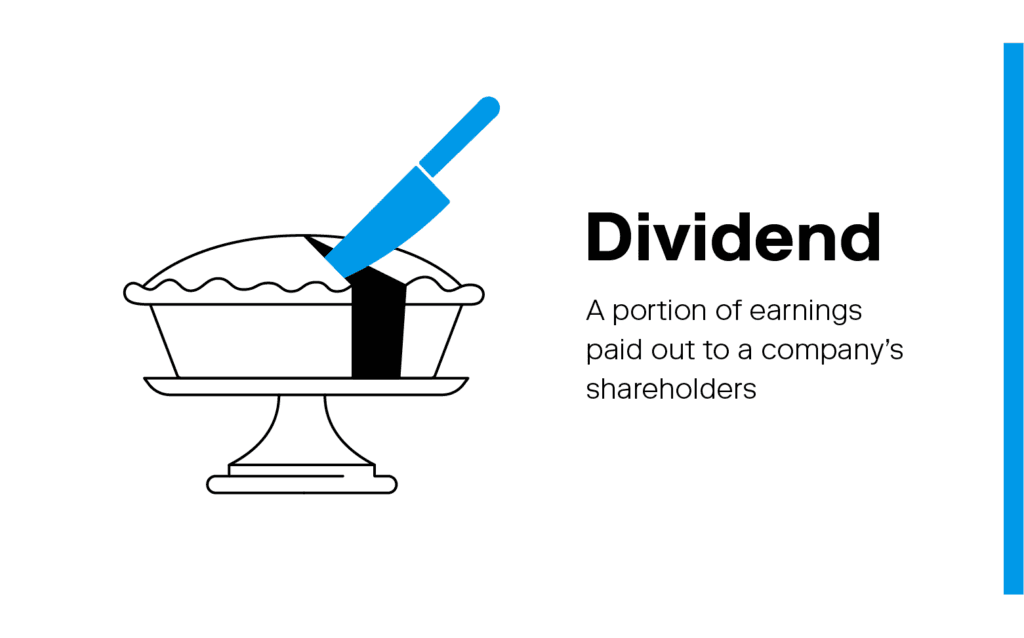
Dividend stocks are shares of companies that return a portion of their earnings to shareholders through periodic payments. These distributions typically take place quarterly and are on a price per share basis. For example, say you have 10 shares of ABC stock. If they pay out $1 per share, you’d earn $10 in dividends every quarter.
Dividends are often attractive for investors looking to generate passive income. Unlike other investment strategies that rely solely on stock price appreciation, dividend stocks provide regular cash payouts, adding a layer of financial stability.
Many investors use dividend stocks as a key element of their long-term financial growth strategy by reinvesting dividends through a dividend reinvestment plan (DRIP). DRIPs automatically reinvest your cash dividend earnings into additional shares of the issuing company, creating compounding growth.
Dividend stock investing may appeal to investors who prefer a lower-risk investment path, as dividend stocks are often issued by well-established companies with proven track records.They offer a balance of capital appreciation and income generation, a combination that could contribute to stable and sustainable financial growth.

Johnson & Johnson
27.25% (1Y)

Procter & Gamble
13.63% (1Y)

Chevron
49.61% (1Y)

AT&T
-14.78% (1Y)

McDonald's
-18.05% (1Y)

The Coca-Cola Company
34.13% (1Y)

Visa
17.76% (1Y)

Realty Income Corp
-0.73% (1Y)

Microsoft
10.9% (1Y)
Criteria for selecting the best dividend stocks
Not all dividend stocks offer the same stability and income potential. You’ll want to consider a number of factors when selecting the best dividend stocks for your specific investing needs.
Dividend yield
Dividend yield measures a company's annual dividend payment relative to its stock price. While a high dividend yield may seem attractive, it’s important to look at this number in the context of the stock’s history and sustainability, as dividend yield only indicates performance in the moment. It doesn’t predict future performance should dividend payout or stock price change.
Dividend yield = Annual dividends per share / Price per share
Payout ratio
The dividend payout ratio indicates the percentage of a company's earnings paid out as dividends. A company that pays all its net income in dividends would have a 100% ratio, while a company that pays no dividends would have a 0% ratio. Experts suggest that a 30-60% payout ratio is healthy, but investors should consider dividend payout ratio trends when deciding to invest.
Dividend payout ratio = Dividends paid / Net income
Consistency of dividend payments
Companies with a long history of consistent or growing dividends are generally considered more reliable investments. This track record can provide confidence in the company's financial health and management capabilities. Many experts recommend looking for a five-year track record of strong dividend payouts and limited stock price volatility.
To get more information about potential long-term dividend stock performance, you can look at a company’s overall financial status, including cash flow, growth history, and debt-to-equity ratio.
Market trends and economic factors that affect dividend stocks
Of course, the potential for returns isn’t all about the company itself. Market trends and economic conditions are crucial when selecting the right dividend stocks for your portfolio. Understanding these factors can help you make informed investment decisions and adapt your portfolio to changing circumstances.
Economic cycles
Different sectors respond differently to economic cycles. Defensive sectors, such as consumer staples and healthcare, often perform well during economic downturns, providing stable dividends even in challenging times. In contrast, cyclical sectors like technology may offer higher growth potential during economic expansions but could experience greater volatility. Investors should consider their risk tolerance and growth needs when selecting sectors to invest in.
Interest rates
Interest rates can significantly impact dividend stocks, particularly in the financial sector. Rising interest rates can increase companies' borrowing costs, potentially affecting earnings and dividend payments. However, some sectors, such as banking, may benefit from higher rates, leading to increased profitability and dividends.
Inflation
Inflation erodes purchasing power, making it essential for dividend stocks to provide returns that outpace inflation. Companies with strong pricing power and the ability to pass on cost increases to consumers are better positioned to maintain dividend payments during inflationary periods. Businesses with a competitive edge and robust market positioning are more likely to be able to outpace, or at least pace, inflation.
Top 10 dividend stocks for long-term growth
There are numerous dividend stocks on the market, and choosing the right ones for your needs can be challenging. We’ve compiled a list of well-established companies that offer dividend stocks, and there’s a good chance you will recognize these names.
#1: Apple Inc. (APPL)
Apple is one of the most well-established blue-chip stocks on the market. While it’s in the technology sector and doesn’t offer a particularly high dividend yield, Apple is known for its robust financial health and consistent growth.
Dividend yield: 0.41% (as of January 2025)
Payout ratio: 16.20% (as of January 2025)
#2: Johnson & Johnson (JNJ)
Johnson & Johnson is a popular dividend stock. The company has paid dividends for at least 50 consecutive years and has consistently increased payouts over the past six decades. A leader in the healthcare sector, JNJ stock is considered relatively recession-resistant, so it may appeal to risk-averse investors.
Dividend yield: 3.49% (as of January 2025)
Payout ratio: 80.49% (as of January 2025)
#3: Procter & Gamble (PG)
P&G is also a well-established name, with companies across the home and personal care sectors. Its record of consistent dividend payouts and stability through economic downturns appeals to many risk-averse investors.
Dividend yield: 2.48% (as of January 2025)
Payout ratio: 66.56% (as of January 2025)
#4: Chevron (CVX)
Chevron is generally considered a dependable income-generating dividend stock due to its diversified global operations, the relative stability of the energy sector, and its strong payout history.
Dividend yield: 4.34% (as of January 2025)
Payout ratio: 71.57% (as of January 2025)
#5: AT&T (T)
AT&T is recognized as a stable brand in the telecommunications sector, with a robust dividend history. Sector stability and AT&T’s adaption to 5G network demands suggest that it could offer a market growth opportunity backed by relative stability.
Dividend yield: 5.00% (as of January 2025)
Payout ratio: 90.24% (as of January 2025)
#6: McDonald’s Corporation (MCD)
McDonald’s is another likely familiar name to most investors. The brand has been expanding for years, has global reach, and over four decades of reliable dividend growth.
Dividend yield: 2.47% (as of January 2025)
Payout ratio: 59.11% (as of January 2025)
#7: Coca-Cola (KO)
Geographic diversification, robust cash flow, and a loyal customer base all contribute to Coca-Cola’s reputation as a relatively stable dividend stock investment.
Dividend yield: 2.67% (as of January 2025)
Payout ratio: 80.17% (as of January 2025)
#8: Visa Inc. (V)
The digital payments section of the financial sector is still growing, and Visa is at the forefront. While its dividend yield is modest compared to the rest of this list, Visa has offered consistent dividend increases in the past few years.
Dividend yield: 0.75% (as of January 2025)
Payout ratio: 21.92% (as of January 2025)
#9: Realty Income (O)
Realty Income prides itself on the consistency and frequency of its payouts, making it an appealing choice for those seeking passive income. It has over 26 consecutive years of dividend growth, a broad product portfolio, and a history of relative financial stability.
Dividend yield: 6.03% (as of January 2025)
Payout ratio: 84.30% (as of January 2025)
#10: Microsoft (MSFT)
Microsoft is an established blue-chip stock. For nearly 40 years, it has been a market leader in the home and business computing space. Microsoft has a history of reliable long-term dividend growth.
Dividend yield: 0.78% (as of January 2025)
Payout ratio: 25.97% (as of January 2025)
Tips for building a diverse dividend stock portfolio
A well-diversified portfolio is essential for managing risk and maximizing returns. These tips will help you create a robust portfolio of dividend stocks that support your long-term financial goals.
Sector diversification
Investing in a range of sectors can reduce exposure to industry-specific risks. To achieve a balanced portfolio, consider including stocks from various industries, such as healthcare, technology, and consumer goods. Investors should consider each sector’s relative volatility to ensure their portfolio balance aligns with their goals and comfort with risk.
Geographic diversification
Including international dividend stocks can provide additional diversification and growth opportunities. Emerging markets, in particular, may offer attractive yields and capital appreciation potential, making them a valuable addition to your portfolio.
Reinvesting dividends
Reinvesting dividends can accelerate the growth of your portfolio through compounding. Many brokerage firms offer automatic dividend reinvestment plans (DRIPs), allowing you to purchase additional shares without incurring transaction fees. Consider tax implications and your need for long-term growth versus short-term income when deciding whether or not to reinvest your dividends.
Take control of your future with dividend stock investing
Dividend stocks offer investors the opportunity to grow wealth over the long term while generating passive income in the short term. You can build a diverse portfolio that aligns with your unique financial goals by focusing on companies with consistent payouts, strong fundamentals, and growth potential. Remember to stay informed about market trends and adjust your investments as needed to align with your big-picture financial strategy.

Written by
Team Stash
We want to turn money into a source of hope and opportunity. We teach people how to build good habits, save more and make it easy and affordable to get started investing. So far, we’ve helped over 6 million people create a more secure financial future with our expert advice and award winning investing app.
Related articles

investing
Oct 02, 2026
Trust your money to experts, not chatbots

investing
Jun 25, 2026
Should You Buy IPOs? 4 Myths About Hot New Listings

investing
Jun 18, 2026
Best Index Funds for Beginners and How to Pick One
investing
Jun 10, 2026
What Is an Index Fund? A Complete Beginner's Guide
investing
Jun 09, 2026
How to Start Investing: A Beginner’s Guide for 2026

investing
Jun 04, 2026
What Is Quantum Computing? An Investor’s 2026 Guide

By using this website you agree to our Terms of Use and Privacy Policy. To begin investing on Stash, you must be approved from an account verification perspective and open a brokerage account.