How to Invest in Mutual Funds in 2025
Published: Mar 27, 2025
• Updated: Mar 29, 2025
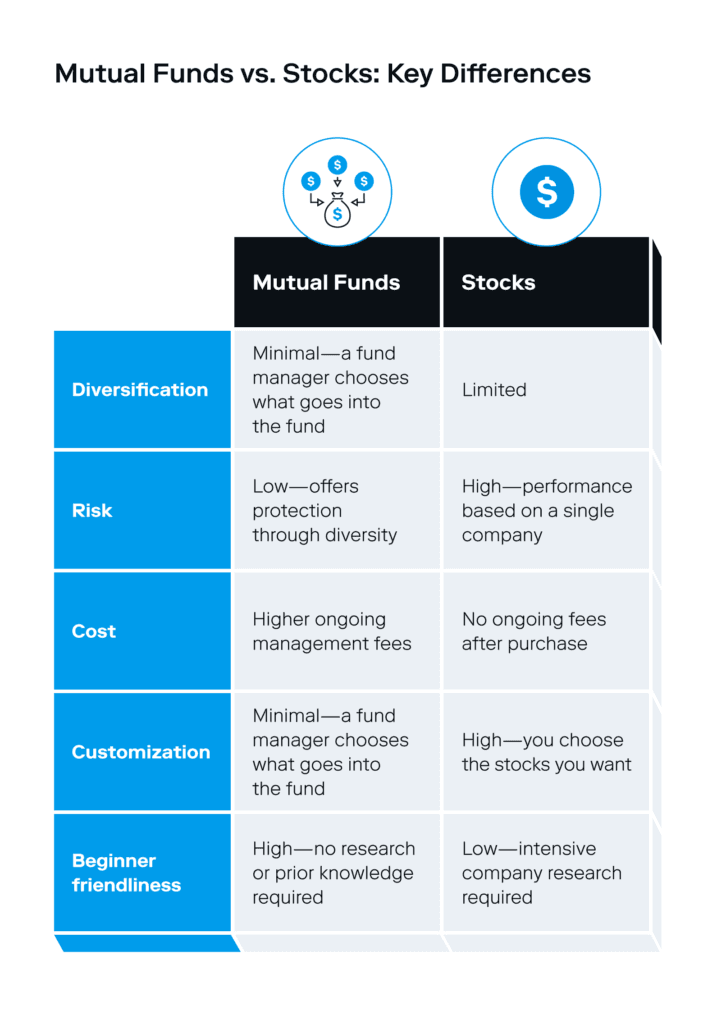
Investing can feel daunting, especially with the many options available in the financial market. One of the most popular and beginner-friendly ways to grow wealth is through mutual funds. But what exactly are mutual funds, and how can you start investing in them? This guide will walk you through the basics, benefits, risks, and the steps to confidently start your mutual fund investment journey.
What Are Mutual Funds?
Mutual funds are professionally managed investment vehicles that pool money from multiple investors to buy a diversified portfolio of assets. These assets can include stocks, bonds, or a mix of both, depending on the type of fund and the investment strategy. By investing in mutual funds, you essentially gain access to a wide range of securities without having to buy each one individually.
Why Invest in Mutual Funds?
Mutual funds are an attractive option for both new and seasoned investors for a variety of reasons:
Diversification: Your money is spread across multiple assets, reducing your exposure to risk.
Accessibility: You don't need a large amount of capital to start; many mutual funds allow investments as low as $500 or even less.
Professional Management: Expert fund managers handle selection and monitoring of the portfolio, saving you time and effort.
Liquidity: Most mutual funds allow you to buy or sell units on any business day, making them easy to access when you need funds.
Types of Mutual Funds You Should Know
Understanding the types of mutual funds is crucial when deciding where to invest your hard-earned money.
1. Equity Mutual Funds
This type of fund primarily invests in stocks. It offers higher returns but also comes with higher risk. Equity funds are ideal for investors with a long-term investment horizon and the ability to endure market volatility.
2. Debt Mutual Funds
Debt funds focus on fixed-income assets like government securities and corporate bonds. These funds are less risky than equity funds, making them suitable for conservative investors seeking steady returns.
3. Hybrid Mutual Funds
Hybrid funds combine equity and debt investments in a single product. They offer a balance of risk and return, making them a great option for investors looking to diversify their portfolios within a single fund.
Key Mutual Fund Terms Explained
Before investing, it’s important to understand the jargon associated with mutual funds:
NAV (Net Asset Value): This is the price per unit of a mutual fund. It’s calculated daily and reflects the fund's market value.
Expense Ratio: The annual fee charged by the fund to cover management and administrative costs. A lower expense ratio is always preferable.
Benefits of Mutual Funds
Investing in mutual funds comes with some standout advantages:
Diversification: Your investment is spread across multiple assets, reducing the impact of any single underperforming asset.
Professional Expertise: Fund managers use their expertise to make informed decisions, so you don’t have to handle the complexities of investing.
Liquidity: Mutual funds offer easy entry and exit options, ensuring you can access your money when needed.
Convenience: Investing in mutual funds is simple, and you can track performance through regular updates from your fund house.
Risks and Important Considerations
While mutual funds are a great investment option, they come with their own set of risks and considerations.
Market Risk: Changes in the stock or bond market can affect the value of your mutual fund investments.
Fund Manager Risk: Poor decisions by the fund manager could lead to suboptimal performance.
Expense Ratios: High fees can eat into your returns over time, so it’s important to choose funds with competitive expense ratios.
Due Diligence: Always research the mutual fund company, fund objectives, and past performance before investing.
How to Choose the Right Mutual Fund
Selecting the perfect mutual fund that aligns with your financial goals comes down to research and self-assessment. Here’s how to do it:
Define Your Goals: Are you saving for retirement, a house, or your child’s education? Identify your investment objectives.
Evaluate Risk Tolerance: If you’re risk-averse, consider debt or hybrid funds. If you can handle market fluctuations, equity funds may yield higher returns.
Analyze Fund Performance: Look at historical returns (but remember, past performance isn’t a guarantee of future results).
Check Expense Ratios: A lower expense ratio means more of your money works for you.
Consider Fund Tenure: Older funds with a long track record of consistent performance often indicate stability.
A Step-by-Step Guide to Investing in Mutual Funds
Now that you’re armed with knowledge, here’s a simple guide to get started:
Step 1: Open an Account
Find a trusted brokerage or fund provider and open an investment account. Some fund companies allow you to invest directly through their websites. Be sure to complete KYC (Know Your Customer) verification, which is mandatory.
Step 2: Choose a Fund
Based on your goals and risk profile, pick a fund from equity, debt, or hybrid categories.
Pro Tip: Many fund platforms provide tools to help you compare funds based on performance and risk.
Step 3: Start Investing
Most mutual funds allow you to invest a lump sum or start a SIP (Systematic Investment Plan), which is a recurring investment option.
Step 4: Keep Records
Document your investments and set reminders to review your statements.
Monitoring Your Investments
Once you’ve invested, the work isn’t over. Regularly monitor your portfolio to ensure it aligns with your financial goals.
Review Performance: Compare your fund’s returns against its benchmark.
Rebalance if Needed: Adjust your allocation if it strays from your desired risk level.
Stay Updated: Keep track of market trends and changes in fund management. These factors can influence performance.
Time to Invest with Confidence!
Investing in mutual funds is one of the easiest ways to make your money grow while having professional expertise on your side. By understanding the basics, evaluating your options, and staying committed to your investment goals, you’ll be well on your way to achieving financial success.
If this guide has inspired you to start investing, there’s no better time than now. Open an account and begin your mutual fund investment today!

Written by
Team Stash
We want to turn money into a source of hope and opportunity. We teach people how to build good habits, save more and make it easy and affordable to get started investing. So far, we’ve helped over 6 million people create a more secure financial future with our expert advice and award winning investing app.
Related articles

investing
Oct 02, 2026
Trust your money to experts, not chatbots

investing
Jun 25, 2026
Should You Buy IPOs? 4 Myths About Hot New Listings
investing
Jun 18, 2026
Best Index Funds for Beginners and How to Pick One

investing
Jun 10, 2026
What Is an Index Fund? A Complete Beginner's Guide
investing
Jun 09, 2026
How to Start Investing: A Beginner’s Guide for 2026

investing
Jun 04, 2026
What Is Quantum Computing? An Investor’s 2026 Guide

By using this website you agree to our Terms of Use and Privacy Policy. To begin investing on Stash, you must be approved from an account verification perspective and open a brokerage account.