What Is Bitcoin Cash?
Published: Sep 22, 2022
• Updated: Aug 27, 2024
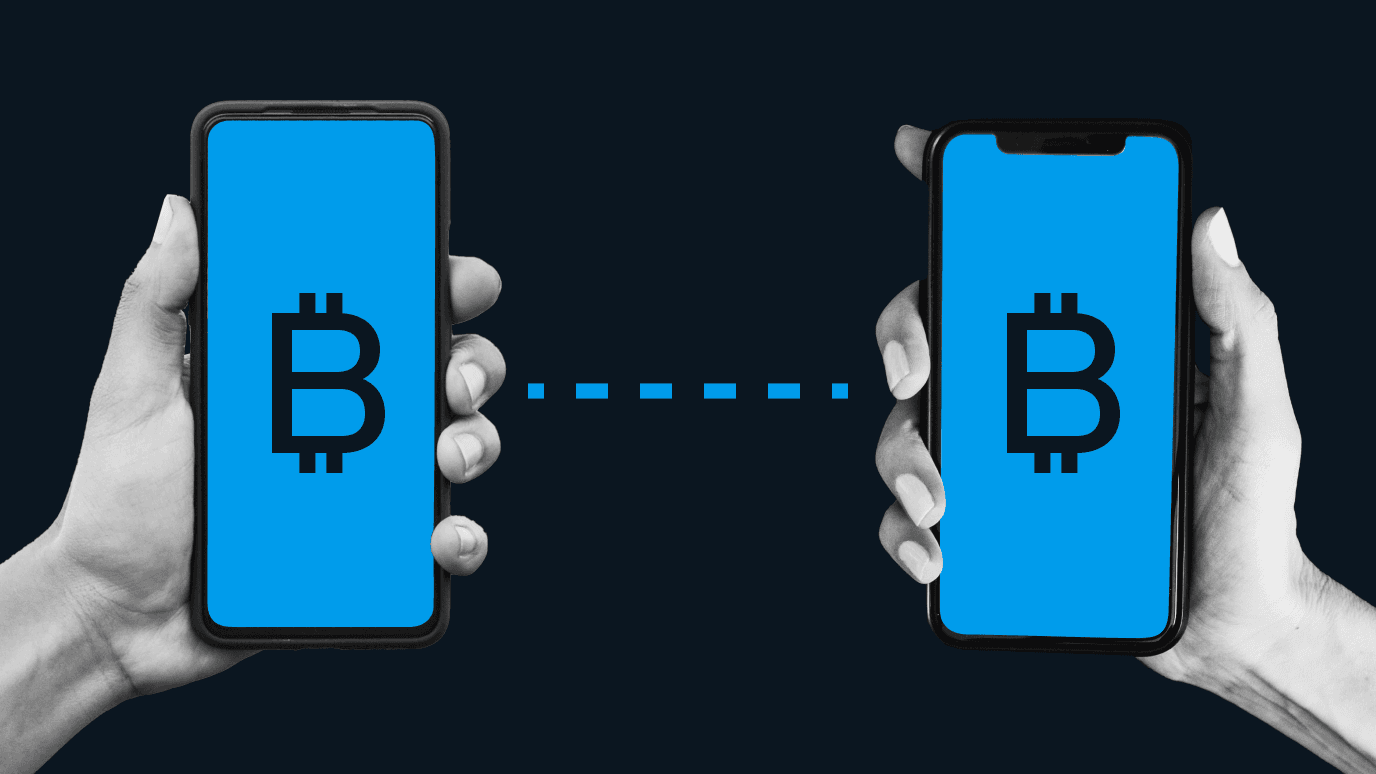
Bitcoin Cash is a type of cryptocurrency created from a fork of the original Bitcoin blockchain. A fork occurs when a change is made to the blockchain protocol or basic rules. A hard fork, like the one that created Bitcoin Cash, changes the original code so much that it will no longer work with older versions of the blockchain, thereby necessitating a new cryptocurrency. The Bitcoin Cash fork occurred when developers sought to increase the size of each Bitcoin block to accommodate more transactions.
The name Bitcoin Cash causes some confusion for crypto investors. Although it grew from the Bitcoin blockchain, it is an entirely separate cryptocurrency.
History of Bitcoin Cash
Bitcoin Cash was created in 2017 to improve the efficiency and speed of the original Bitcoin blockchain. Though Bitcoin’s intended use was as a digital currency for making transactions, it became more of an investment vehicle as its popularity grew. Since Bitcoin was not built for scalability, the increased number of transactions resulted in higher fees and longer confirmation times. The developers saw the original 1MB Bitcoin block size as a limitation, and, with the hope of accommodating more transactions per block, set about increasing the size of each block to as much as 32MB to enable more efficient transaction verification and processing.
How does Bitcoin Cash work?
On a purely technical level, Bitcoin Cash works the same as Bitcoin. It’s an open-source, decentralized digital ledger. Transactions are confirmed and added to the blockchain by miners using cryptography to solve equations. Miners receive Bitcoin Cash tokens for their work. Bitcoin Cash is available to buy, sell, and trade on most crypto exchanges, and it may be used to make transactions with any business that accepts it for payments.
Bitcoin Cash vs. Bitcoin
Bitcoin Cash and Bitcoin are each built on a decentralized finance infrastructure. They each rely on a proof-of-work algorithm for mining coins, as opposed to a proof-of-stake model, and have established a hard cap of 21 million currency assets. The functionality is also the same: you can buy coins, store them in a digital wallet, and use them to make transactions or hold onto them as an investment.
The key difference is block size. Bitcoin Cash’s larger 32MB block size supports speedier transaction times and usually leads to lower transaction fees. That said, larger block size can also contribute to security risks: because Bitcoin Cash requires less mining power to verify new blocks, it’s seen as inherently less secure than Bitcoin.
Bitcoin remains the leading cryptocurrency on the market, both in terms of value and adoption. While Bitcoin Cash is widely accessible on most crypto exchanges, it has not been as readily adopted or demonstrated as much value as Bitcoin.
Bitcoin Cash | Bitcoin |
|---|---|
Larger block size (32MB) | Smaller block size (1MB) |
More transactions per second | Fewer transactions per second |
Lower transaction fees | Higher transaction fees |
Lower value | Higher value |
Lower adoption | Highest adoption |
Higher security risks | Lower security risks |
Pros and cons of Bitcoin Cash
As with most crypto investments, Bitcoin Cash has advantages and disadvantages. While buying, selling, and trading this cryptocurrency is fairly accessible, the overall value of the currency remains relatively low compared to Bitcoin and other leading coins. Faster transaction times and lower fees may be a benefit, but they come with the security risks of larger block sizes. That said, many investors see Bitcoin Cash as promising due to the increased scalability of its blockchain technology.
Pros of Bitcoin Cash | Cons of Bitcoin Cash |
|---|---|
Lower transaction fees | Lower value |
Better scalability | Lower adoption |
Faster transactions | Higher security risks |
Is crypto right for you?
As you develop your investment strategy, you may be interested in adding crypto to your portfolio. At Stash, we recommend holding no more than 2% of your overall portfolio in any one cryptocurrency in order to limit crypto-specific risks.

Investing made easy.
Start today with any dollar amount.


Written by
Team Stash
We want to turn money into a source of hope and opportunity. We teach people how to build good habits, save more and make it easy and affordable to get started investing. So far, we’ve helped over 6 million people create a more secure financial future with our expert advice and award winning investing app.
Related articles
investing
Oct 02, 2026
Trust your money to experts, not chatbots

investing
Jun 25, 2026
Should You Buy IPOs? 4 Myths About Hot New Listings
investing
Jun 18, 2026
Best Index Funds for Beginners and How to Pick One
investing
Jun 10, 2026
What Is an Index Fund? A Complete Beginner's Guide
investing
Jun 09, 2026
How to Start Investing: A Beginner’s Guide for 2026
investing
Jun 04, 2026
What Is Quantum Computing? An Investor’s 2026 Guide

By using this website you agree to our Terms of Use and Privacy Policy. To begin investing on Stash, you must be approved from an account verification perspective and open a brokerage account.